재미있는 한국어jaemiinneun hangugeo

Fun Korean

Hangul, life in Korea, travel, history and short lessons.

Top Places to Visit in Korea

Korea's must-see places, from Seoul palaces to Busan's hillside villages, with 5 useful Korean phrases for each, with audio and a quick quiz.

  • Gyeongbokgung Palace (경복궁)
    Data: Korea Tourism Organization (한국관광공사)
    Seoul · Jongno-gu

    Gyeongbokgung Palace

    경복궁

    The main royal palace of the Joseon dynasty, first built in 1395. Enter through Gwanghwamun Gate, catch the royal guard-changing ceremony, then walk to Gyeonghoeru, a pavilion on a lotus pond. Visitors in full hanbok get in free.

    Closed on Tuesdays (open if a Tuesday is a public holiday). Gyeongbokgung Station, Line 3.

  • Gamcheon Culture Village (감천문화마을)
    Data: Korea Tourism Organization (한국관광공사)
    Busan · Saha-gu

    Gamcheon Culture Village

    감천문화마을

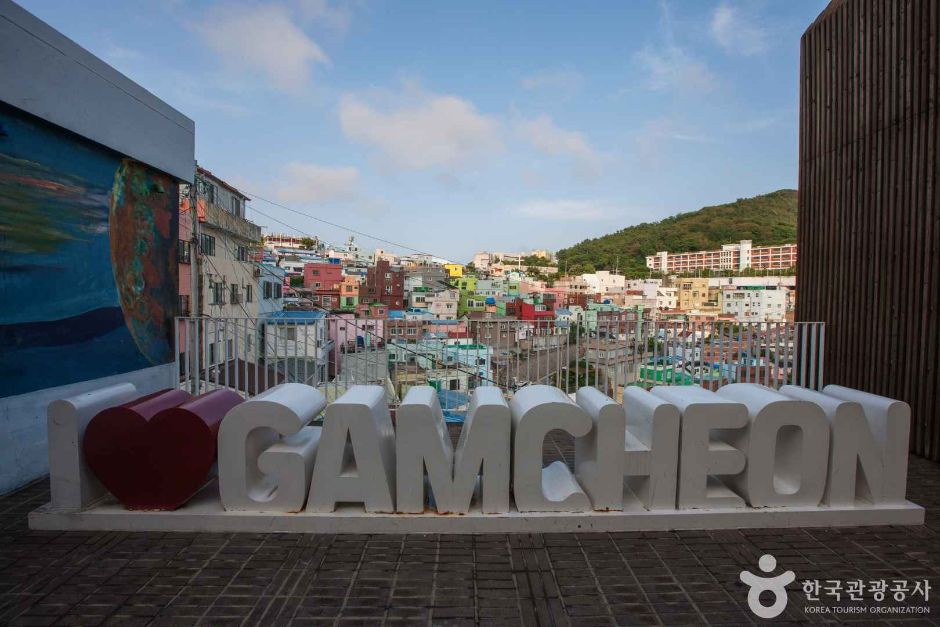
    A hillside neighborhood of pastel houses and narrow alleys above Busan's harbor. It grew from homes built by Korean War refugees, and an art project that began in 2009 filled it with murals and sculptures. Pick up a map at the entrance and look for the art in the lanes.

    People live here: keep your voice down and don't go into homes or private yards.

  • Bukchon Hanok Village (북촌한옥마을)
    Data: Korea Tourism Organization (한국관광공사)
    Seoul · Jongno-gu

    Bukchon Hanok Village

    북촌한옥마을

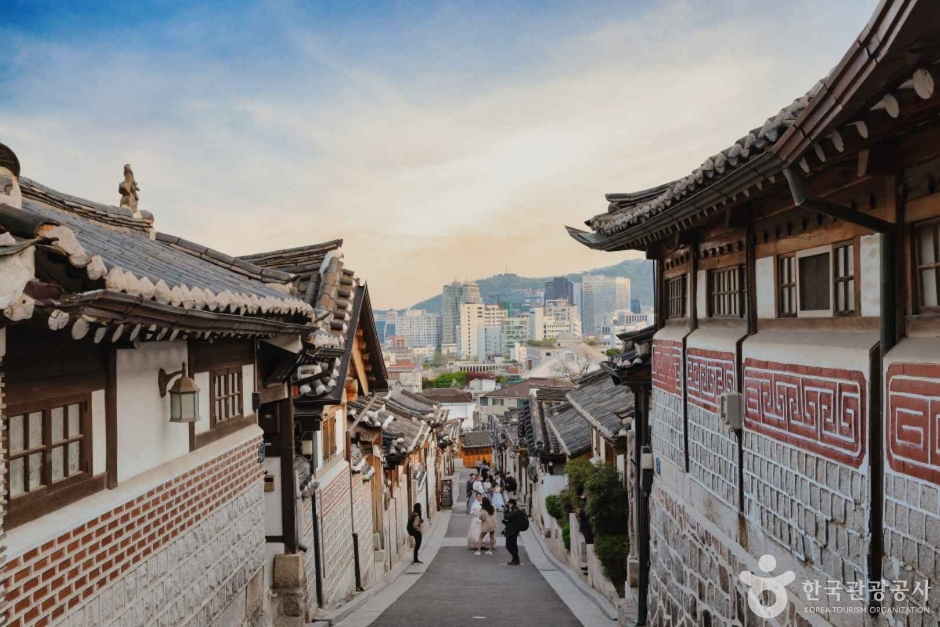
    A hillside neighborhood of hundreds of hanok, traditional Korean houses, between Gyeongbokgung and Changdeokgung palaces. Many are still family homes; others are tea houses, craft workshops and guesthouses. The upper lanes look out over tiled roofs toward the city.

    People live here: keep your voice down. Some lanes are open to visitors only from 10:00 to 17:00. Anguk Station, Line 3.

  • N Seoul Tower (N서울타워)
    Data: Korea Tourism Organization (한국관광공사)
    Seoul · Namsan

    N Seoul Tower

    N서울타워

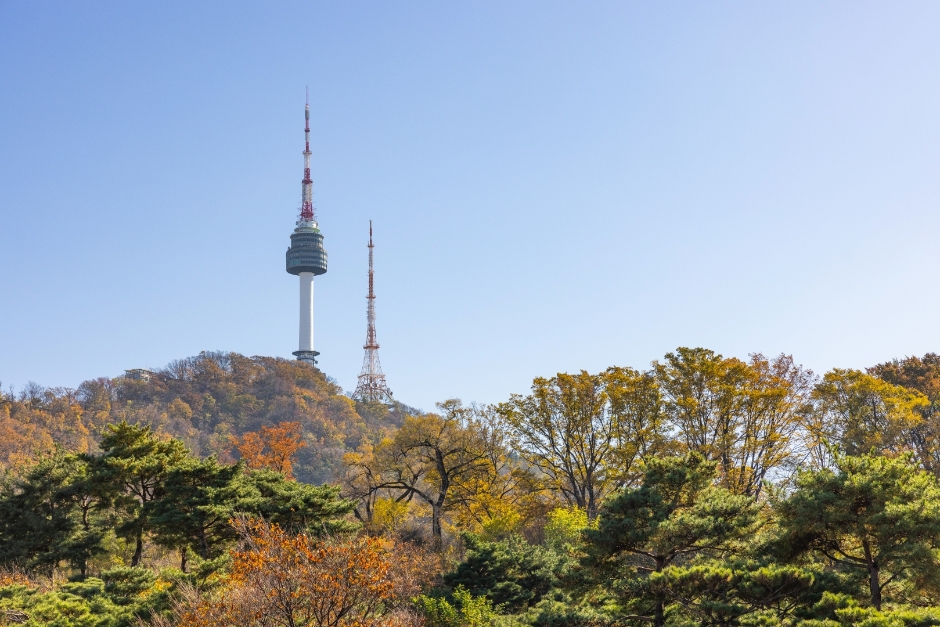
    Seoul's best-known landmark stands on Namsan, the mountain in the middle of the city. Ride the Namsan Cable Car, running since 1962, or walk up the trails, then see the whole city from the observatory. Couples hang "love locks" on the fences around the terrace.

    Go around sunset to see the city by day and by night.

  • Haeundae Beach (해운대해수욕장)
    Data: Korea Tourism Organization (한국관광공사)
    Busan · Haeundae-gu

    Haeundae Beach

    해운대해수욕장

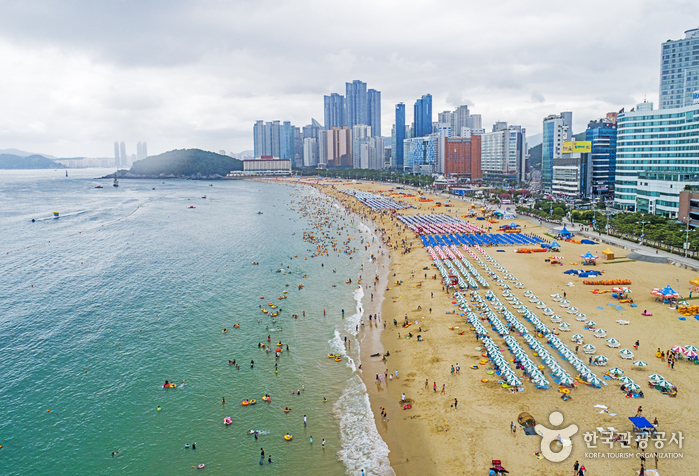
    Busan's most famous beach: about 1.5 km of white sand on a shallow bay, lined with hotels, cafés and seafood restaurants. In autumn it's calmer, which makes it a good time to walk the coastal path around Dongbaekseom Island at the west end.

    Haeundae Station, Line 2.

  • Jeonju Hanok Village (전주한옥마을)
    Data: Korea Tourism Organization (한국관광공사)
    Jeonju, Jeollabuk-do

    Jeonju Hanok Village

    전주한옥마을

    About 700 hanok fill Korea's largest urban hanok village, which grew in the early 1900s around Gyeonggijeon Shrine. Walk the lanes in hanbok, spend a night in a hanok guesthouse, and eat Jeonju's famous bibimbap and street snacks.

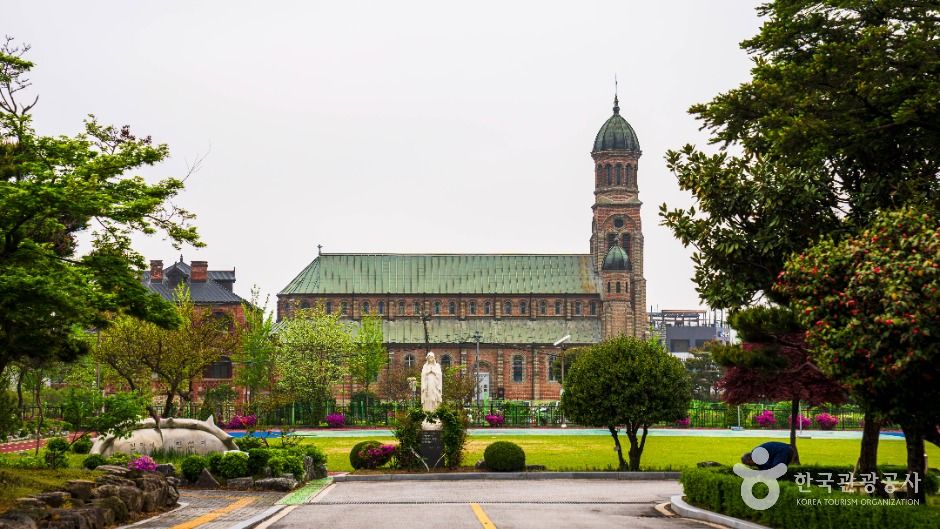
    Gyeonggijeon Shrine, Omokdae and Jeondong Cathedral are all inside or next to the village.

  • Seongsan Ilchulbong (성산일출봉)
    Data: Korea Tourism Organization (한국관광공사)
    Jeju · Seogwipo

    Seongsan Ilchulbong

    성산일출봉

    A 180 m tuff cone on Jeju's east tip that rose from the sea in a volcanic eruption about 5,000 years ago. A steep stair path leads to a grassy crater about 600 m across, and the summit is Jeju's favorite place to watch the sunrise. It's part of Jeju's UNESCO World Natural Heritage.

    You can see Udo Island from the top. Ferries leave from Seongsan Port nearby.

  • Bulguksa Temple (불국사)
    Data: Korea Tourism Organization (한국관광공사)
    Gyeongju, Gyeongsangbuk-do

    Bulguksa Temple

    불국사

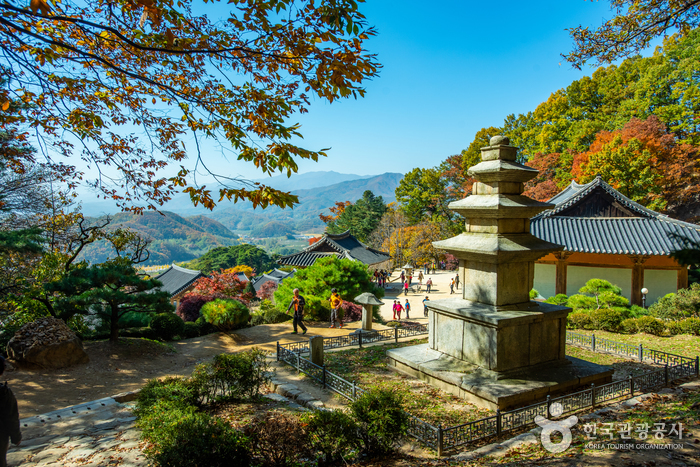
    A temple of the Silla kingdom, first built in the 6th century and rebuilt in 751. Together with nearby Seokguram Grotto it is a UNESCO World Heritage site. Look for the stone stairway-bridges at the entrance and the two stone pagodas, Dabotap and Seokgatap, in the main courtyard.

    Gyeongju is one of Korea's best places for autumn leaves. Seokguram Grotto is a short ride further up the mountain.

  • Nami Island (남이섬)
    Data: Korea Tourism Organization (한국관광공사)
    Chuncheon, Gangwon-do

    Nami Island

    남이섬

    A small, tree-lined island in the Bukhangang River, reached by a short ferry ride or a zip wire. The drama Winter Sonata made it famous. Its tall ginkgo and metasequoia lanes turn gold in late October and November.

    Ferries leave from Gapyeong Wharf. ITX trains run from Seoul to Gapyeong Station.

  • Seoraksan National Park (설악산국립공원)
    Data: Korea Tourism Organization (한국관광공사)
    Sokcho, Gangwon-do

    Seoraksan National Park

    설악산국립공원

    Granite peaks, waterfalls and temples near Korea's east coast. Daecheongbong (1,708 m) is the country's third-highest peak, and Seoraksan was Korea's first UNESCO Biosphere Reserve. For an easy visit, take the cable car from Seorak-dong up to Gwongeumseong Fortress, or walk the gentle trail to Biseondae.

    Autumn colors peak around mid to late October. Higher trails can be icy from November.

  • Changdeokgung Palace and Huwon (창덕궁과 후원)
    Data: Korea Tourism Organization (한국관광공사)
    Seoul · Jongno-gu

    Changdeokgung Palace and Huwon

    창덕궁과 후원

    A UNESCO World Heritage palace first built in 1405, after Gyeongbokgung. Many Joseon kings lived here, and it is the best preserved of the five remaining Joseon palaces. Behind the halls lies the rear garden (Huwon), a royal place of rest with a pond, a pavilion and a tree more than 300 years old.

    Closed on Mondays (if a Monday is a public holiday, it closes the next working day). Last admission 1 hour before closing.

  • Suwon Hwaseong Fortress (수원 화성)
    Data: Korea Tourism Organization (한국관광공사)
    Suwon, Gyeonggi-do

    Suwon Hwaseong Fortress

    수원 화성

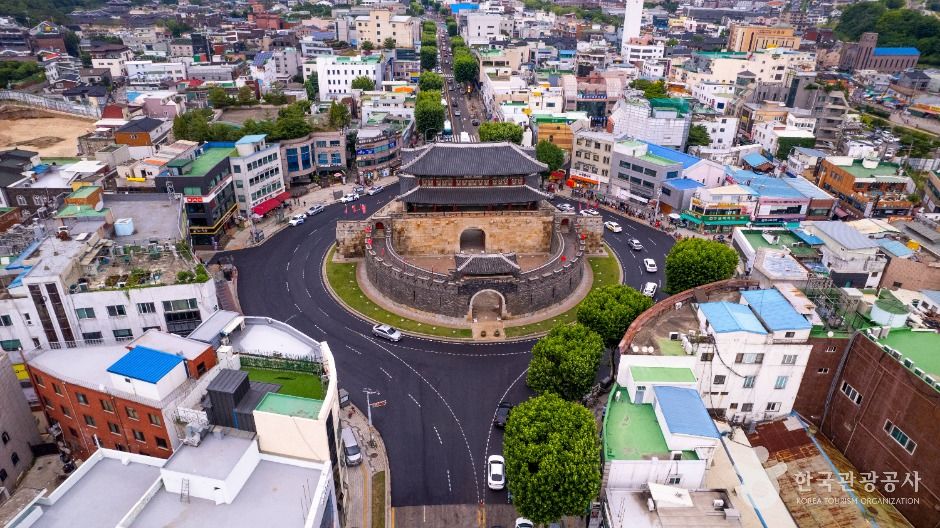
    A fortress built from 1794 to 1796 under King Jeongjo, as a sign of his devotion to his father and to found a new city. Its walls run about 5.7 km around Paldalsan Mountain, and it became a UNESCO World Heritage Site in 1997. Walk the walls and look for the performances held here every day.

    Open 24 hours, all year. The Suwon Hwaseong Cultural Festival takes place every fall.

  • Andong Hahoe Village (안동 하회마을)
    Data: Korea Tourism Organization (한국관광공사)
    Andong, Gyeongsangbuk-do

    Andong Hahoe Village

    안동 하회마을

    One of Korea's best-known folk villages, wrapped by a bend of the Nakdonggang River and a UNESCO World Heritage Site. Descendants of the Pungsan Ryu clan still make up about 70 percent of the villagers. It was named a National Folklore Cultural Heritage in 1984, and the Hahoe masks, a National Treasure, come from here.

    Open every day: 09:00-18:00 April-September, 09:00-17:00 October-March (last admission 30 minutes before closing). People live here, so stay out of private homes.

  • Cheomseongdae Observatory (경주 첨성대)
    Data: Korea Tourism Organization (한국관광공사)
    Gyeongju, Gyeongsangbuk-do

    Cheomseongdae Observatory

    경주 첨성대

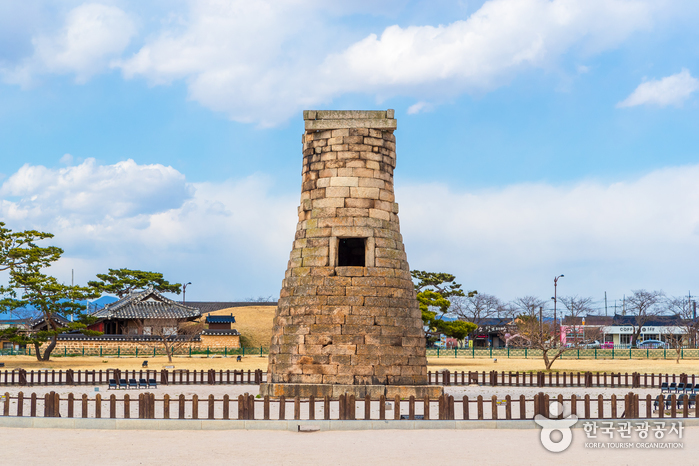
    A stone observatory from the reign of Silla's Queen Seondeok (632-647), and one of the oldest in the world. The tower is about 9 m tall and made of 365 stones, one for each day of the year, stacked in 27 layers. Flowers bloom around it in every season, so it is a favorite spot for photos.

    Open every day: 09:00-22:00 in summer, 09:00-21:00 in winter. It's lit up after dark.

  • Donggung Palace and Wolji Pond (경주 동궁과 월지)
    Data: Korea Tourism Organization (한국관광공사)
    Gyeongju, Gyeongsangbuk-do

    Donggung Palace and Wolji Pond

    경주 동궁과 월지

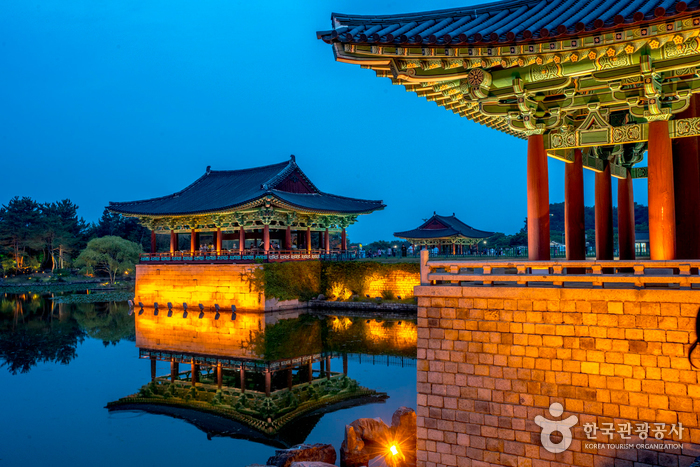
    The site of a Silla secondary palace, where the crown prince lived and royal banquets were held. King Munmu had the large pond dug in 674, with three islands in the middle and planted hills around it. The rebuilt pavilions reflected in the water are the classic view here.

    Open every day 09:00-22:00 (last ticket and admission 21:30). The evening is the most popular time.

  • Haedong Yonggungsa Temple (해동 용궁사)
    Data: Korea Tourism Organization (한국관광공사)
    Busan · Gijang-gun

    Haedong Yonggungsa Temple

    해동 용궁사

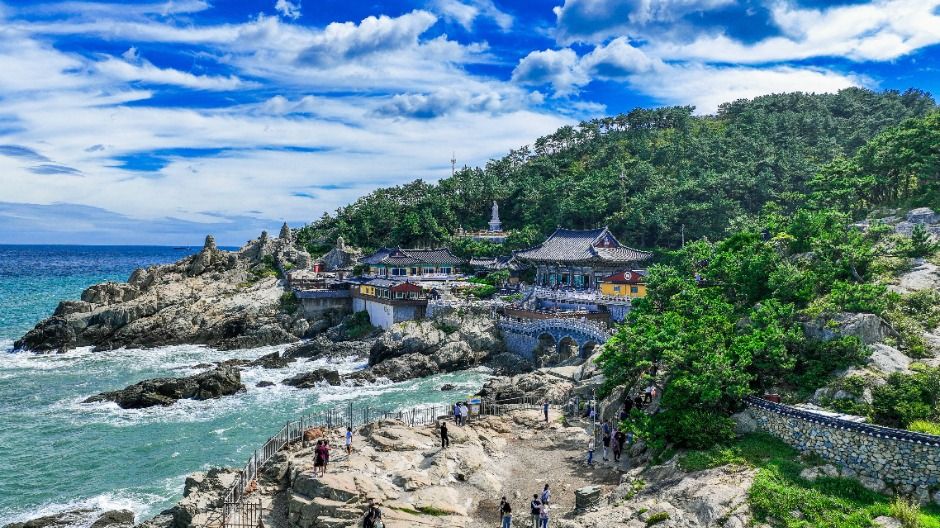
    A Buddhist temple on the rocky shore of northeastern Busan, a rare sight since most Korean temples stand in the mountains. It was first built in 1376 by the monk Naong, destroyed during the Imjin War and rebuilt in the 1930s. Waves break right below the halls.

    Open every day 04:30-19:20 (last admission 18:50). It's a temple: keep your voice down near people praying.

  • Juknokwon Bamboo Garden (죽녹원)
    Data: Korea Tourism Organization (한국관광공사)
    Damyang, Jeollanam-do

    Juknokwon Bamboo Garden

    죽녹원

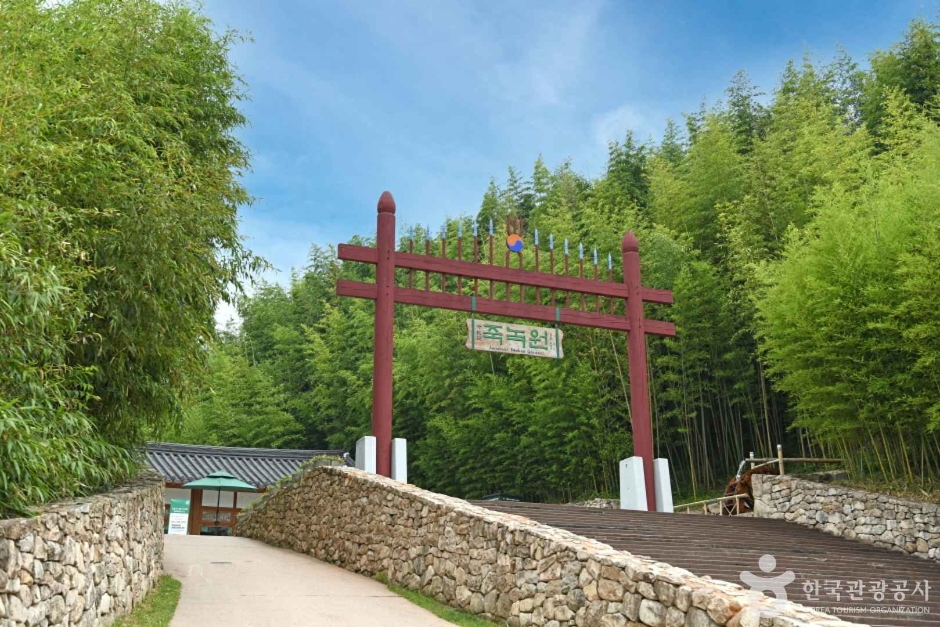
    A bamboo forest of about 160,000 m² in Damyang, opened in May 2003. Stone steps and walking paths wind between tall bamboo, and the breeze through the leaves makes it a calm place to slow down. End your visit with a cup of bamboo leaf tea.

    Open every day: 09:00-19:00 March-October, 09:00-18:00 November-February (last admission an hour or 30 minutes before closing).

  • Manjanggul Lava Tube (만장굴)
    Data: Korea Tourism Organization (한국관광공사)
    Jeju · Jeju-si

    Manjanggul Lava Tube

    만장굴

    Part of the Geomunoreum Lava Tube System, about 7.4 km long and up to 25 m high and 18 m wide, one of the largest lava tubes in the world. Only about 1 km is open to visitors. Walk in to see lava formations and, at the end of the open section, a 7.6 m stone pillar recorded as the world's largest.

    Open 09:00-18:00 (last admission 17:00). Closed on the first Wednesday of every month.

  • Oedo-Botania (외도 보타니아)
    Data: Korea Tourism Organization (한국관광공사)
    Geoje, Gyeongsangnam-do

    Oedo-Botania

    외도 보타니아

    A garden island off Geoje; the name joins "botany" and "utopia." The developed island holds gardens of native and subtropical plants, including the Venus Garden with twelve statues among the flowerbeds, and the sea views reach the Haegeumgang Islets. You reach it by boat.

    Hours change by season (about 08:00-19:00 in summer, 08:30-17:00 in winter); check the official site for closed days. Parking is at the ferry docks.

  • Lotte World Tower SEOUL SKY (롯데월드타워 서울스카이)
    Data: Korea Tourism Organization (한국관광공사)
    Seoul · Songpa-gu

    Lotte World Tower SEOUL SKY

    롯데월드타워 서울스카이

    The observatory at the top of Lotte World Tower, about 500 m above the ground and the highest attraction in Korea. The Sky Shuttle takes you from B1 to the 118th floor in about a minute, and from there you get a 360-degree view of Seoul. There's also a café and a souvenir shop.

    Open every day: 10:30-22:00 Sunday-Thursday, 10:30-23:00 Friday-Saturday (last admission 1 hour before closing).

  • Deoksugung Palace (덕수궁)
    Data: Korea Tourism Organization (한국관광공사)
    Seoul · Jung-gu

    Deoksugung Palace

    덕수궁

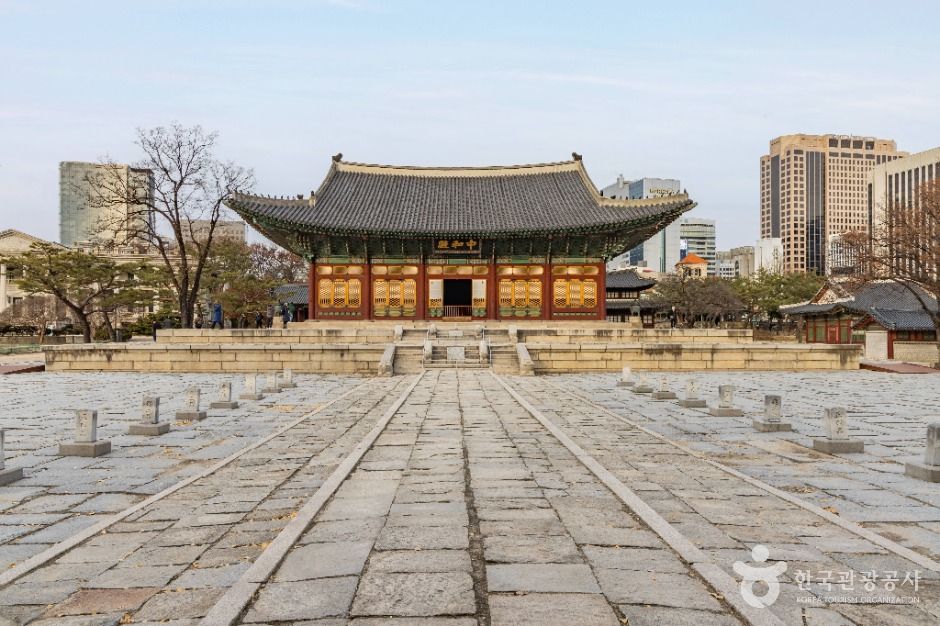
    First the home of a Joseon prince, it became the royal family's temporary palace in 1593, after their palaces burned in the Imjin War, and was named Gyeongungung in 1611. It took its present name, "palace of virtuous longevity", in 1907. Only a few buildings remain today, right in the middle of the city, and the Seokjojeon, Dondeokjeon and Jungmyeongjeon halls hold exhibitions.

    Open 09:00-21:00 (last admission 20:00). Closed on Mondays (if a Monday is a public holiday, it closes the next working day).

  • Insadong Cultural Street (인사동 문화의 거리)
    Data: Korea Tourism Organization (한국관광공사)
    Seoul · Jongno-gu

    Insadong Cultural Street

    인사동 문화의 거리

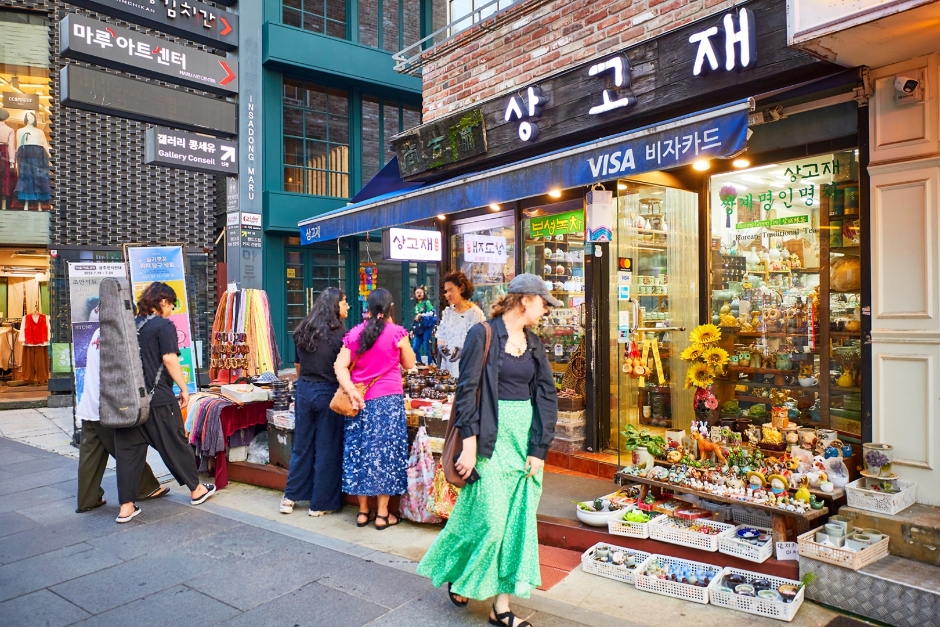
    A street of art galleries, traditional teahouses, Korean restaurants and street stalls, loved by visitors from all over the world. Many shop signs are written in Hangeul, the Korean alphabet, which is what makes the street special. The streets and shops are wide and easy to walk, and buskers often play by the road in the evenings and on weekends.

    The street is open 24 hours, all year round.

  • Hallasan Mountain (한라산)
    Data: Korea Tourism Organization (한국관광공사)
    Jeju · Seogwipo

    Hallasan Mountain

    한라산

    The mountain at the center of Jeju Island and its best-known landmark. It became a national park in 1970, and 368 small volcanic cones, called oreum, rise around it. Plants change with the height and temperature of the slopes; more than 1,800 kinds of plants and 4,000 kinds of animals live here, and well-kept hiking trails lead you through them.

    Opening hours depend on the season and the trail. Check the official website or call before you go.

  • Udo Island (우도)
    Data: Korea Tourism Organization (한국관광공사)
    Jeju · Jeju-si

    Udo Island

    우도

    A small island off Jeju, long called Soseom ("cow island") because its shape looks like a cow lying down. The ferry from Seongsan Port or Jongdal Port takes about 15 minutes. The island is 3.8 km long and 17 km around: walking all the way takes 3 to 4 hours, so most visitors get around by bus, bicycle or electric mini-car.

    Take a morning ferry in and an afternoon ferry back to enjoy a full day. Ferries can change with the weather, so check the forecast first.

  • Dongpirang Village (통영 동피랑마을)
    Data: Korea Tourism Organization (한국관광공사)
    Tongyeong, Gyeongsangnam-do

    Dongpirang Village

    통영 동피랑마을

    A hillside village above the sea in Tongyeong. Its name joins "dong" (east) and "birang" (hill in the local dialect). In 2007 a local group invited people from all over Korea to paint murals on its walls, and the art brought the village back to life. From the top there is a wonderful view over the sea and Gangguan Port.

    Open 24 hours, all year. Park in the lot before the village entrance. People live here, so please keep your voice down.

  • Odongdo Island (여수 오동도)
    Data: Korea Tourism Organization (한국관광공사)
    Yeosu, Jeollanam-do

    Odongdo Island

    여수 오동도

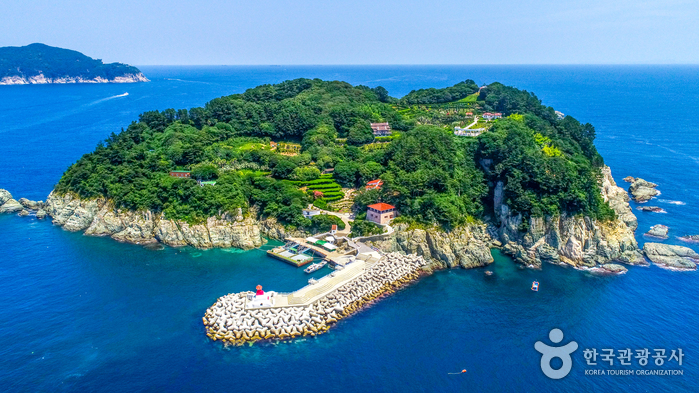
    A small island off the coast of Yeosu, known for its sea cliffs and camellias. A breakwater links it to the mainland, so you can walk in or ride the Dongbaek Train. The camellias start to bloom in January and are at their best in March. Walking trails lead to a lighthouse, a musical fountain and a barefoot walking path.

    The island is open 24 hours. The Dongbaek Train runs about 09:15-17:00 with a break from 12:00 to 13:00; call ahead to check.

  • Dodamsambong Peaks (단양 도담삼봉)
    Data: Korea Tourism Organization (한국관광공사)
    Danyang, Chungcheongbuk-do

    Dodamsambong Peaks

    단양 도담삼봉

    Three rock peaks rising out of the Namhangang River: Janggunbong, Cheobong and Cheopbong. The tallest, Janggunbong, holds Samdojeong Pavilion, once a famous meeting place for the region's scholars. Next to the peaks, the tourist area has a story hall, a sailboat ride, a cruise pier and a rest area.

    Open 09:00-18:00, all year.

  • Ojukheon House (강릉 오죽헌)
    Data: Korea Tourism Organization (한국관광공사)
    Gangneung, Gangwon-do

    Ojukheon House

    강릉 오죽헌

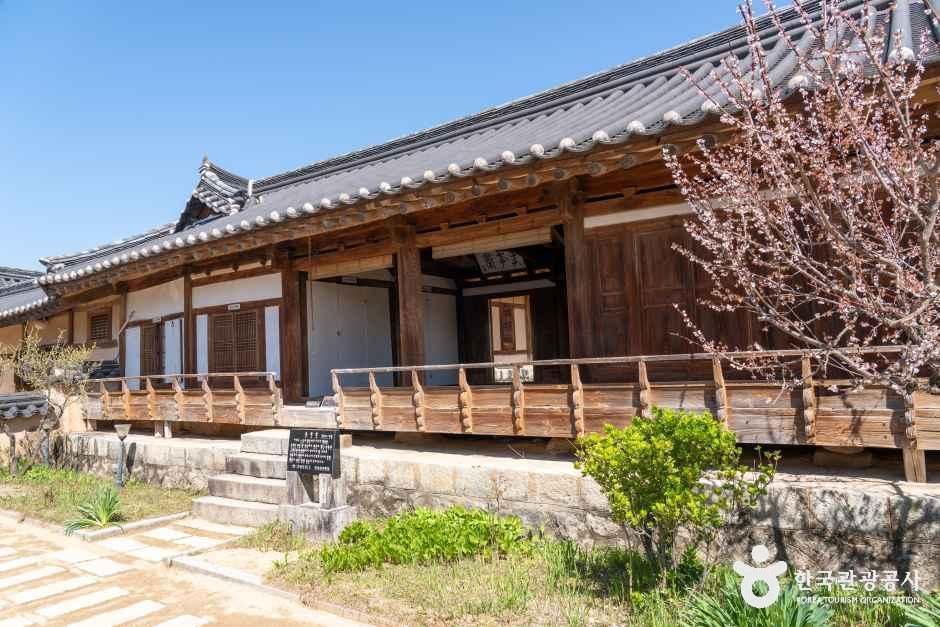
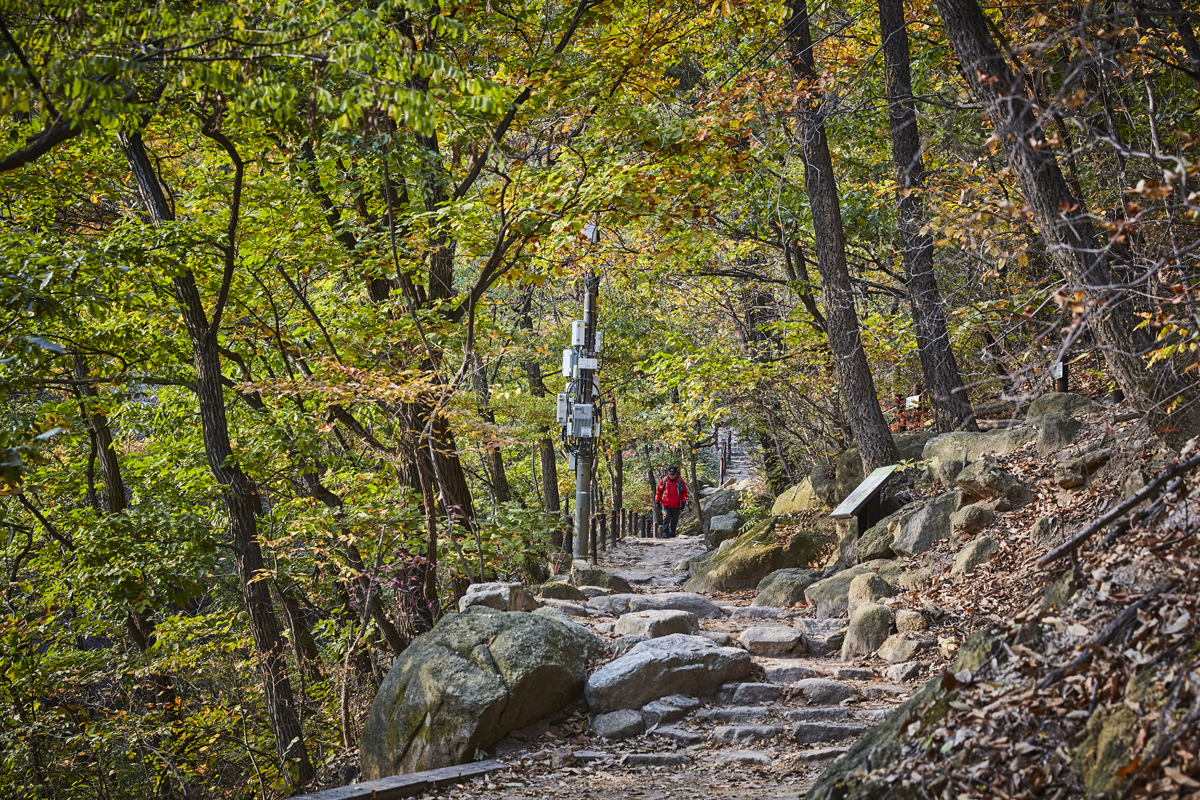
    The birthplace of Yi I (pen name Yulgok), a scholar and statesman of the Joseon period. The house was built in the early Joseon dynasty and was named a Treasure in 1963. You can see Mongryongsil, the room where he was born, along with the family shrine, the men's quarters, Yulgok Memorial Hall and the Gangneung Municipal Museum.
    Open 09:00-18:00 (last admission 17:00), all year.

  • Haeinsa Temple (합천 해인사)
    Data: Korea Tourism Organization (한국관광공사)
    Hapcheon, Gyeongsangnam-do

    Haeinsa Temple

    합천 해인사

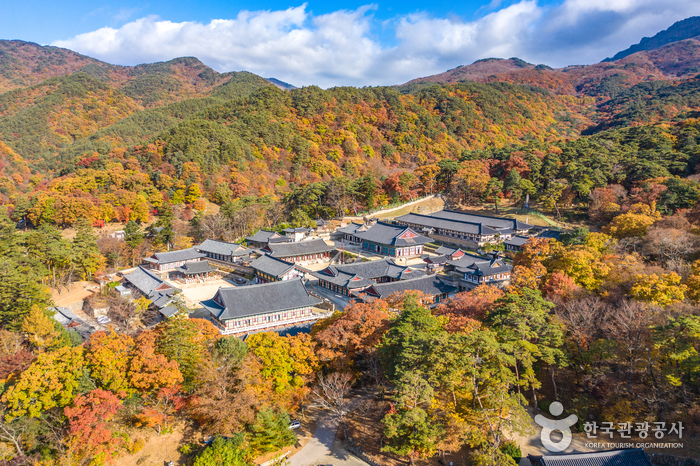
    One of Korea's three largest temples, founded in 802 by the monks Suneung and Ijung. Its name comes from a Buddhist scripture and stands for a truly enlightened world and a pure mind. The temple keeps the Printing Woodblocks of the Tripitaka Koreana and the Janggyeongpanjeon halls that store them, both National Treasures.

    Open 08:30-18:00 in summer and 08:30-17:00 in winter, all year.

  • Taejongdae (부산 태종대)
    Data: Korea Tourism Organization (한국관광공사)
    Busan · Yeongdo-gu

    Taejongdae

    부산 태종대

    A rocky coast formed when layers of rock were pressed together under a lake in the Cretaceous period, then worn away by the sea over time. Look for sea caves and strangely shaped rocks along the shore. Walk the forest paths, or ride the Danubi Train to Taejongdae Observatory and the Yeongdo Coastal Culture Space.

    The park opens 04:00-24:00 (March-October) and 05:00-24:00 (November-February); facilities close at 20:00. The Danubi Train does not run on Mondays.

  • Changgyeonggung Palace (창경궁)
    Data: Korea Tourism Organization (한국관광공사)
    Seoul · Jongno-gu

    Changgyeonggung Palace

    창경궁

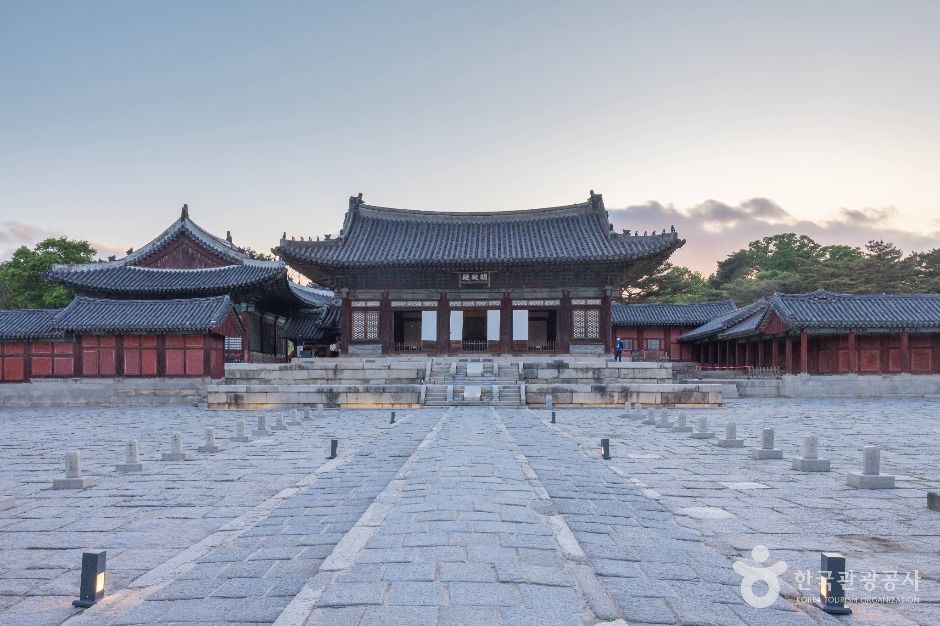
    A Joseon palace in central Seoul, first built by King Sejong as Suganggung Palace for his father, King Taejong, after he stepped down. It was often home to queens and royal consorts and was renamed Changgyeonggung under King Seongjong. During Japanese colonial rule it was turned into a park with a zoo and a botanical garden; its restoration was completed in 1983.

    Open 09:00-21:00 (last entry 20:00). Closed Mondays (the next working day if Monday is a holiday). No parking.

  • Cheonggyecheon Stream (청계천)
    Data: Korea Tourism Organization (한국관광공사)
    Seoul · Jongno-gu

    Cheonggyecheon Stream

    청계천

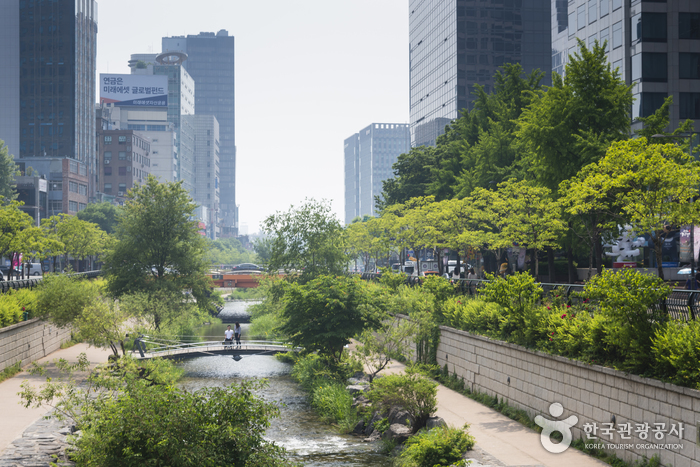
    A restored stream that runs through downtown Seoul, with walking paths along the water below street level. It begins at Cheonggye Plaza, which has fountains, a waterfall and a small model of the whole stream, and signs there introduce the 22 bridges that cross it.

    Open all year round. Start your walk at Cheonggye Plaza.

  • Daereungwon Tomb Complex (경주 대릉원)
    Data: Korea Tourism Organization (한국관광공사)
    Gyeongju, Gyeongsangbuk-do

    Daereungwon Tomb Complex

    경주 대릉원

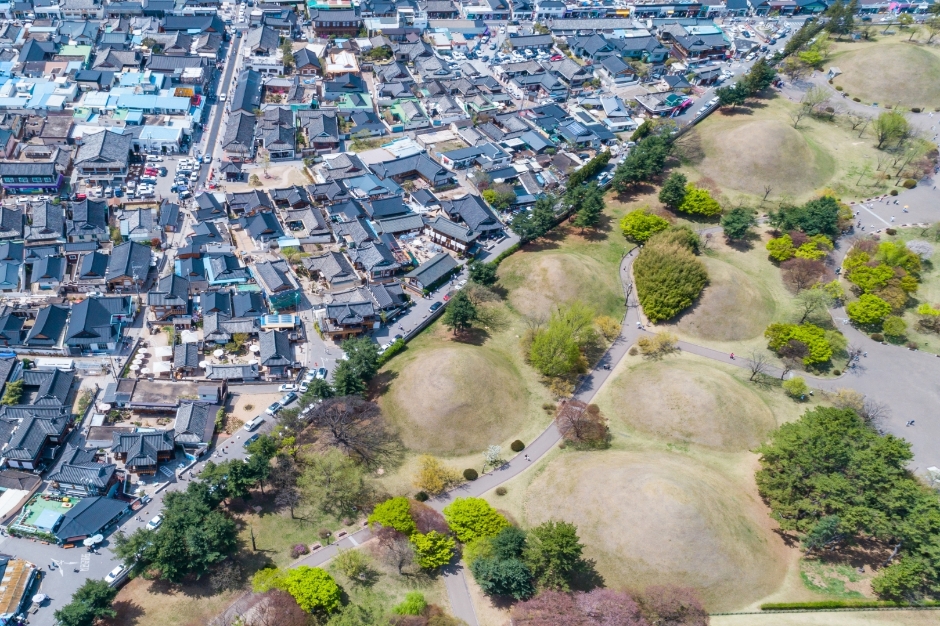
    A park of large, grass-covered ancient tombs in the middle of Gyeongju. Inside are Cheonmachong Tomb, excavated in 1973, and Hwangnamdaechong, twin tombs thought to belong to a married couple, excavated from 1973 to 1975. Paths wind between the round green mounds, making it a calm place for a walk.

    Open 09:00-22:00, all year round. Parking is available.

  • Gyeongpo Beach (강릉 경포해수욕장)
    Data: Korea Tourism Organization (한국관광공사)
    Gangneung, Gangwon-do

    Gyeongpo Beach

    강릉 경포해수욕장

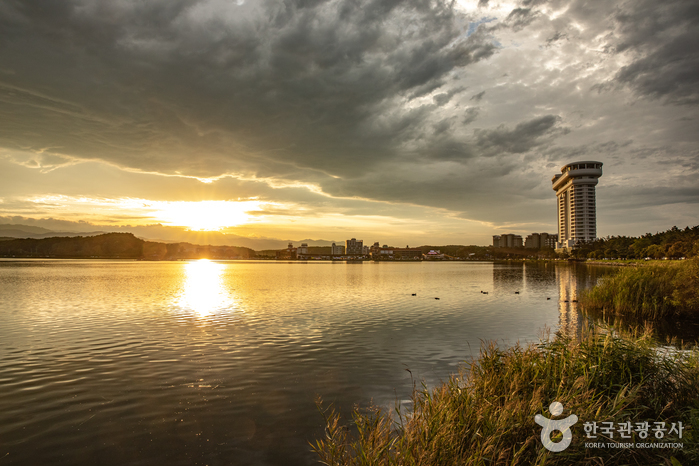
    Gangneung's best-known beach, a 1.8 km strip of soft sand between Gyeongpoho Lake and the East Sea, about 6 km from downtown. The water is shallow, a pine forest behind the beach is good for a shady walk, and you can cycle around the lake. Gyeongpodae Pavilion is about 1 km away.

    Open 24 hours. Parking is available.

  • Daehan Dawon Tea Plantation (보성 대한다원)
    Data: Korea Tourism Organization (한국관광공사)
    Boseong, Jeollanam-do

    Daehan Dawon Tea Plantation

    보성 대한다원

    A green tea plantation where rows of tea bushes cover the hillside like a deep green carpet. The entrance path is lined with tall cedar trees, and from the lookout at the top of the 350 m hill you can see the sea on a clear day.

    Open 09:00-18:00 (Mar-Oct) and 09:00-17:00 (Nov-Feb), all year round. Parking is available.

  • Damyang Metasequoia Road (담양 메타세쿼이아길)
    Data: Korea Tourism Organization (한국관광공사)
    Damyang, Jeollanam-do

    Damyang Metasequoia Road

    담양 메타세쿼이아길

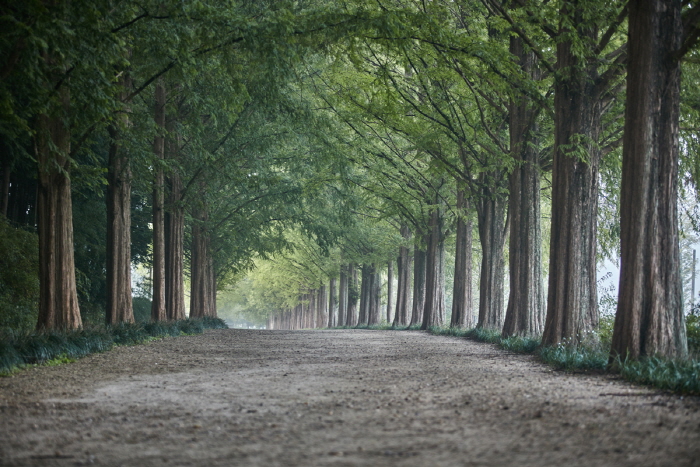
    An 8.5 km avenue lined with towering metasequoia trees, planted in the early 1970s when National Road 24 was rebuilt. The saplings were only a few years old then; today the trees are so tall they shade the whole road. In 2002 it was chosen as one of the most beautiful roads in Korea.

    Open 09:00-19:00 (May-Aug) and 09:00-18:00 (Sep-Apr). Closed on Seollal and Chuseok days. Parking is available.

  • Gongsanseong Fortress (공주 공산성)
    Data: Korea Tourism Organization (한국관광공사)
    Gongju, Chungcheongnam-do

    Gongsanseong Fortress

    공주 공산성

    A UNESCO World Heritage fortress in the heart of Gongju, which was the capital of the Baekje kingdom from 475 to 538. Later kingdoms kept using Gongju as a regional centre, so many historic sites gathered here over the centuries. From the walls you can see the city and the Geumgang River.

    Open 09:00-18:00 (Mar-Oct) and 09:00-17:00 (Nov-Feb); last entry 30 minutes before closing. Closed on New Year's Day, Seollal and Chuseok. Parking is available.

  • Seoul Forest (서울숲)
    Data: Korea Tourism Organization (한국관광공사)
    Seoul · Seongdong-gu

    Seoul Forest

    서울숲

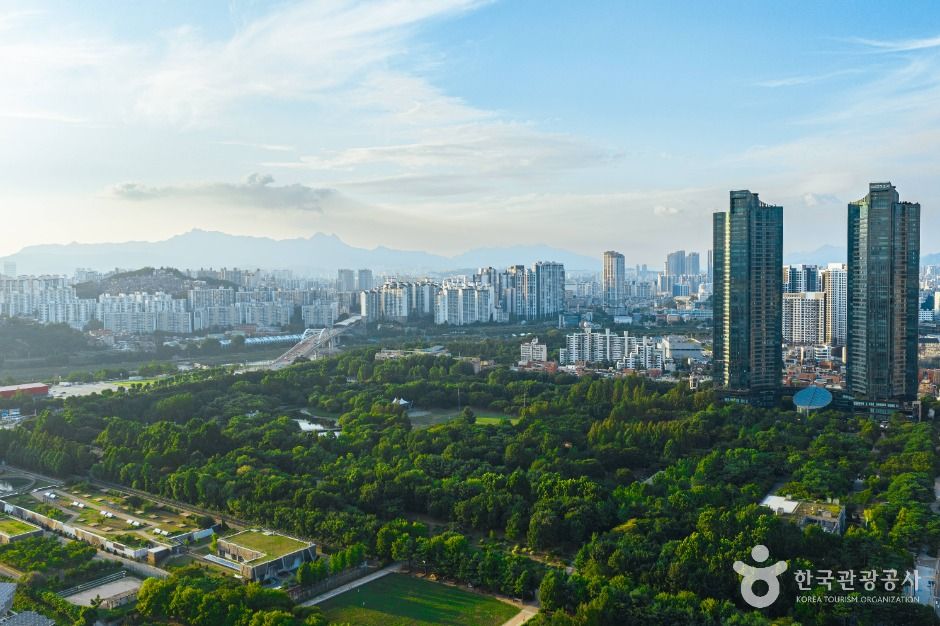
    A large city park opened in June 2005 on the site of a former water treatment plant. It is made up of four themed parks and is a green, eco-friendly space loved by both Seoul residents and visitors.

    Open 24 hours; hours and closed days vary by facility, so check the website before you go. Parking is available.

  • Hyeopjae Beach (제주 협재해수욕장)
    Data: Korea Tourism Organization (한국관광공사)
    Jeju · Hallim-eup

    Hyeopjae Beach

    제주 협재해수욕장

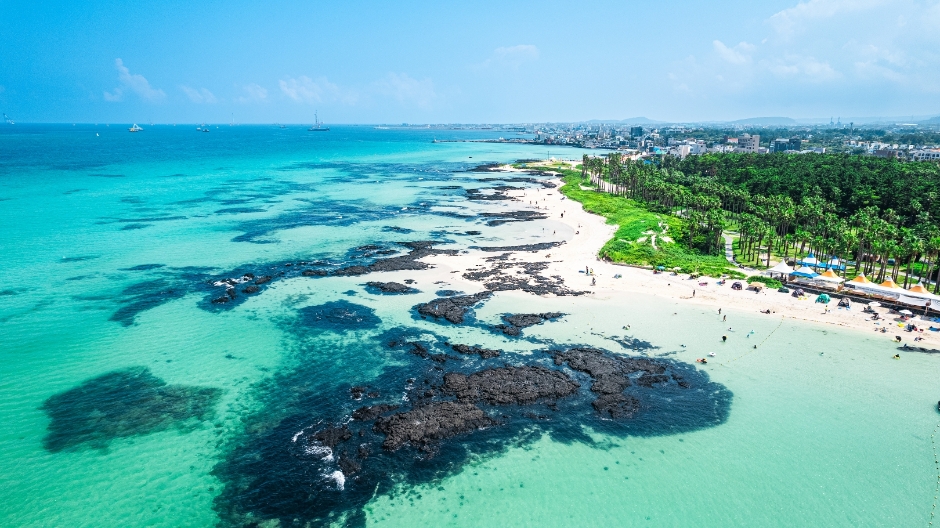
    A beach on Jeju's west coast with smooth white sand, emerald water and a gentle, shallow slope that is good for swimming. Pine forest surrounds it, the sand runs on into Geumneung Beach, and Biyangdo Island sits on the horizon. Sunsets here are especially beautiful.

    Open 24 hours, all year round. Camping is available in the pine grove. Parking is available.

  • Bukhansan National Park (북한산국립공원)
    Data: Korea Tourism Organization (한국관광공사)
    Seoul · Seongbuk-gu

    Bukhansan National Park

    북한산국립공원

    A national park on Seoul's northern edge, designated in 1983, that covers both Bukhansan and Dobongsan mountains (about 80 km²). Its three highest peaks, Baegundae (835.6 m), Insubong and Mangyeongdae, gave it the old name Samgaksan, "three-horned mountain". The name Bukhansan dates from when Bukhansanseong Fortress was built under King Sukjong of Joseon.

    Trails may close suddenly in bad weather. Parking is available at the Bukhansanseong and Jeongneung lots.

  • Jongmyo Shrine (종묘)
    Data: Korea Tourism Organization (한국관광공사)
    Seoul · Jongno-gu

    Jongmyo Shrine

    종묘

    The royal shrine of the Joseon dynasty, where kings and queens were honored. King Taejo, the first Joseon king, had it built at the same time as Gyeongbokgung Palace. The royal memorial rite Jongmyo Jaerye is still held here, and the shrine is a UNESCO World Heritage site.

    Closed Tuesdays (the next working day if Tuesday is a holiday). Open 09:00-17:30 (Nov-Jan), 09:00-18:00 (Feb-May, Sep-Oct) and 09:00-18:30 (Jun-Aug); last entry 1 hour before closing. Parking is available.

  • National Museum of Korea (국립중앙박물관)
    Data: Korea Tourism Organization (한국관광공사)
    Seoul · Yongsan-gu

    National Museum of Korea

    국립중앙박물관

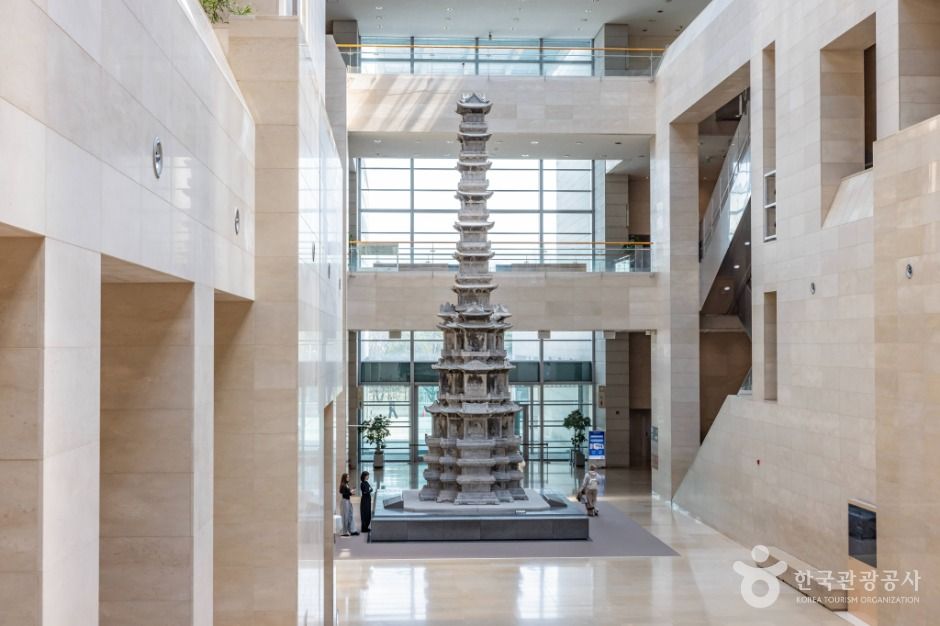
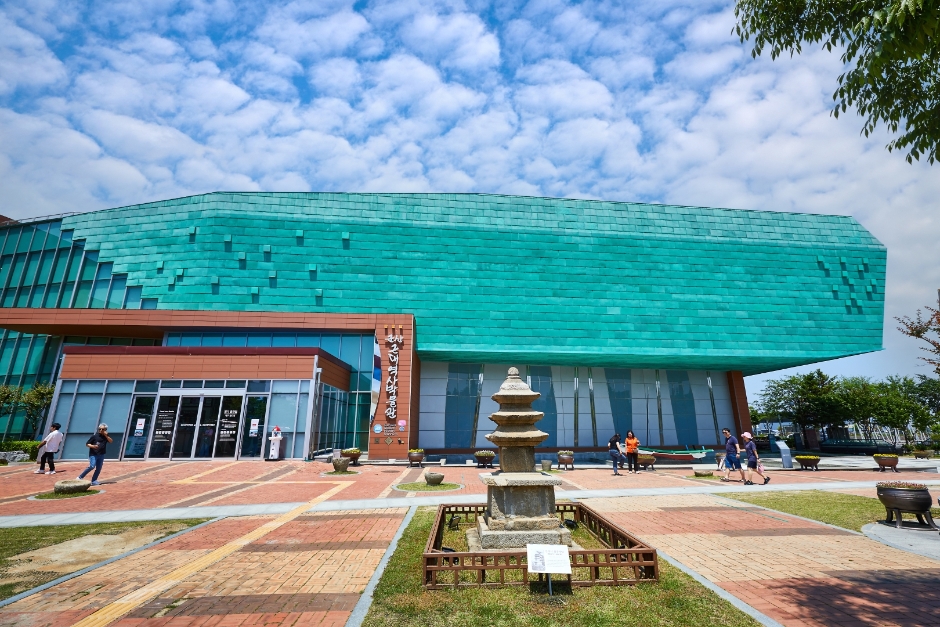
    Korea's national museum, with a vast collection of artifacts from ancient times to the modern era. A tall stone pagoda stands inside the main hall, more pagodas and stone works too large for the galleries fill the outdoor grounds, and a Children's Museum teaches history through hands-on programs.

    The permanent exhibition is free (special exhibitions may charge). Open 09:30-17:30, until 21:00 on Wednesdays and Saturdays (last entry 30 minutes before closing). Closed Jan 1, Seollal and Chuseok. Paid parking.

  • Namhansanseong Fortress (남한산성)
    Data: Korea Tourism Organization (한국관광공사)
    Gwangju-si, Gyeonggi-do

    Namhansanseong Fortress

    남한산성

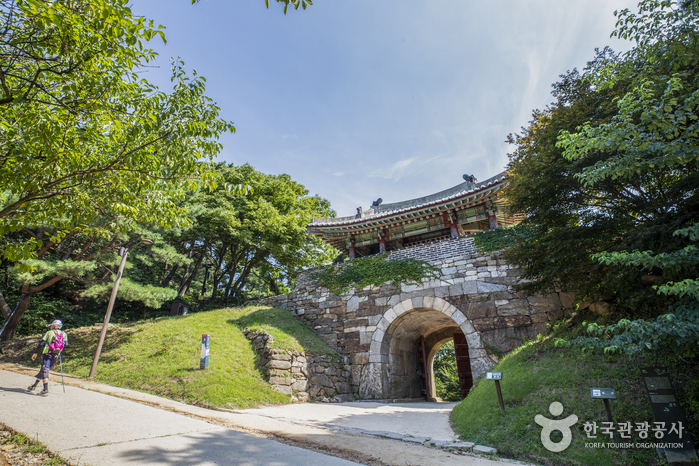
    A mountain fortress southeast of Seoul that guarded the capital from the Baekje kingdom through the Joseon dynasty. During the Qing invasion of 1636, King Injo took refuge here and built Haenggung, a temporary palace. Trails follow the old walls, and the fortress is a UNESCO World Heritage site.

    The fortress is open 24 hours. Haenggung Palace is open 10:00-18:00 (Apr-Oct) and 10:00-17:00 (Nov-Mar), closed Mondays. Parking is available.

  • Buseoksa Temple (영주 부석사)
    Data: Korea Tourism Organization (한국관광공사)
    Yeongju, Gyeongsangbuk-do

    Buseoksa Temple

    영주 부석사

    A temple on the eastern slope of Sobaeksan Mountain, founded in 676 during the Silla kingdom. It has been rebuilt and expanded many times and keeps many cultural treasures. Its Muryangsujeon Hall is often called one of the most beautiful traditional buildings in Korea, and the temple is a UNESCO World Heritage site.

    Open 24 hours, all year round. Parking is available. Guided tours are offered.

  • Huinnyeoul Culture Village (흰여울문화마을)
    Data: Korea Tourism Organization (한국관광공사)
    Busan · Yeongdo-gu

    Huinnyeoul Culture Village

    흰여울문화마을

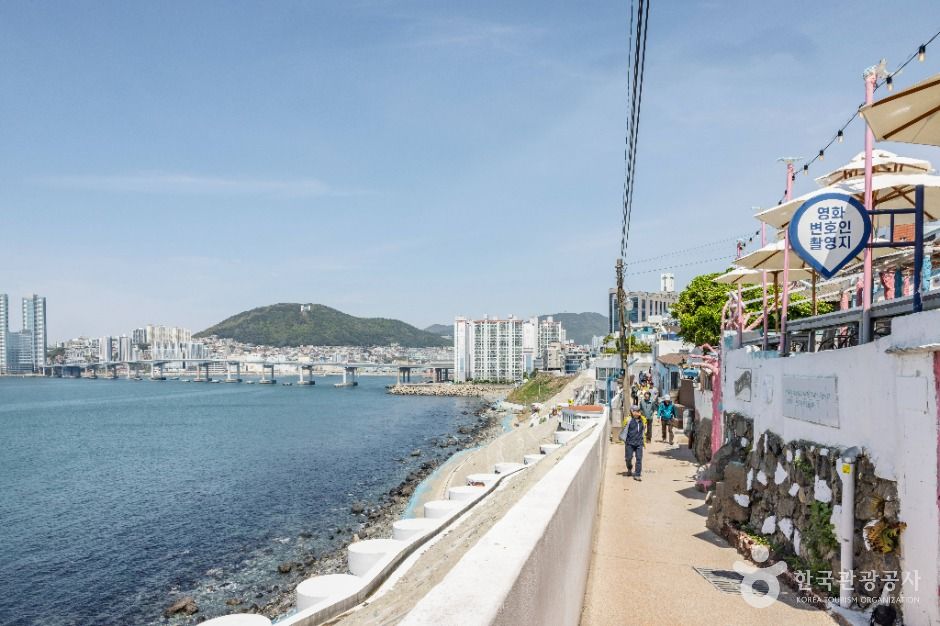
    A seaside village on Yeongdo Island in Busan, named after a stream at the foot of Bongnaesan Mountain whose rushing water looked like falling snow. In 2011 its old houses were remodeled into a culture and art village, and today narrow lanes and a coastal path look out over the sea.

    Open 24 hours, all year round. Free parking. People live here, so please keep your voice down.

  • Bijarim Forest (비자림)
    Data: Korea Tourism Organization (한국관광공사)
    Jeju · Jeju-si

    Bijarim Forest

    비자림

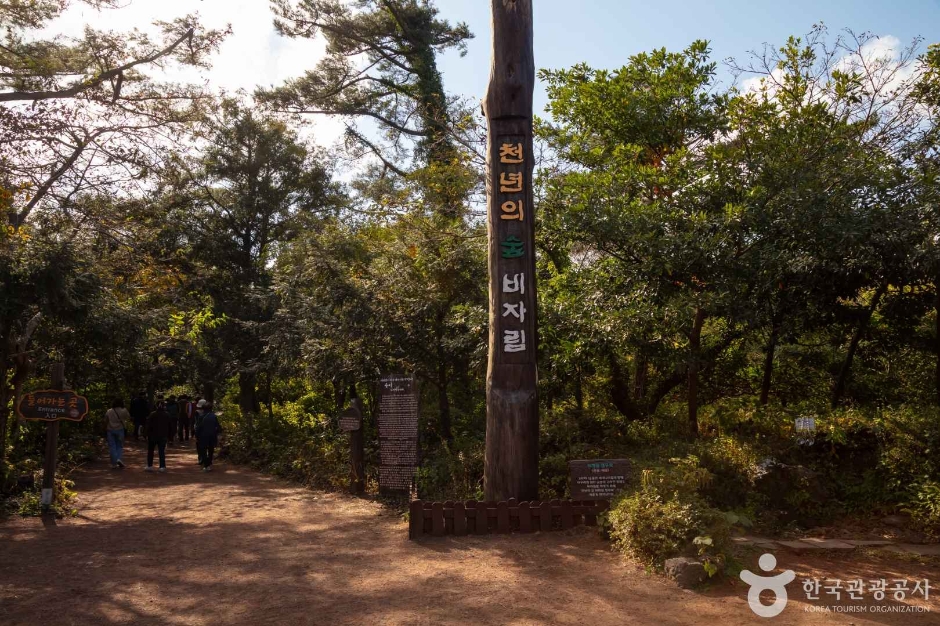
    A forest of about 2,800 nutmeg trees (bija), 500 to 800 years old, protected as a Natural Monument. The trees stand 7 to 14 m tall; their nuts were once used as medicine and their wood for fine furniture and go boards. Shaded paths make it a calm place for a forest walk.

    Open 09:00-18:00 (last entry 1 hour before closing), all year round. Parking is available.

  • Yangdong Village (경주 양동마을)
    Data: Korea Tourism Organization (한국관광공사)
    Gyeongju, Gyeongsangbuk-do

    Yangdong Village

    경주 양동마을

    Korea's largest traditional village from the Joseon dynasty, set in a valley with Seolchangsan Mountain beyond it. About 160 old houses, including 500-year-old thatched-roof cottages, sit on the hillsides, and the whole village is a UNESCO World Heritage site.

    Open 09:00-19:00 (Apr-Sep) and 09:00-18:00 (Oct-Mar); last ticket 1 hour before closing. People still live in the village, so don't enter houses without permission. Parking is available.

  • Windy Hill (거제 바람의 언덕)
    Data: Korea Tourism Organization (한국관광공사)
    Geoje, Gyeongsangnam-do

    Windy Hill

    거제 바람의 언덕

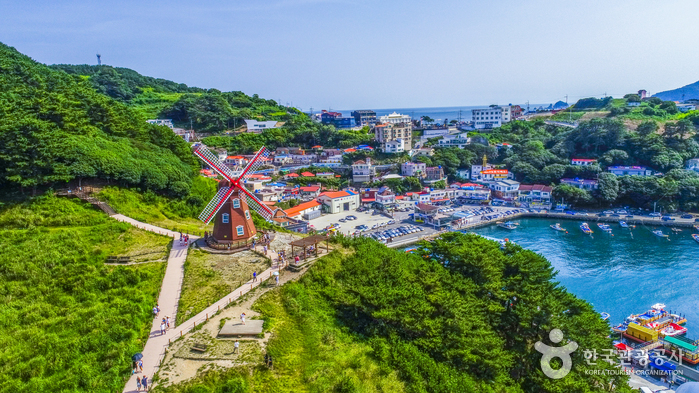
    A grassy hill with a windmill at the end of Dojangpo, a small fishing village in Geoje. It is named for the strong wind here, which keeps the plants on the hill short. Cafés and restaurants nearby enjoy the view, and Sinseondae Terrace and the Haegeumgang Islets are close by.

    Open 24 hours, all year round. Parking is available. Bring a jacket; it can be very windy.

  • Kkotji Beach (태안 꽃지해수욕장)
    Data: Korea Tourism Organization (한국관광공사)
    Taean, Chungcheongnam-do

    Kkotji Beach

    태안 꽃지해수욕장

    A 5 km white-sand beach on Anmyeondo Island in Taean. Two rocky islets off the shore are called Halmaebawi and Halbaebawi (Grandma and Grandpa Rocks); legend says Halmaebawi was a woman who waited by the sea for her husband for so long that she turned to stone. The sunset here is a favorite with photographers.

    Open 24 hours, all year round. Parking is available. Come before sunset for the best view of the rocks.

  • Gunsan Modern History Street (군산 근대화 거리)
    Data: Korea Tourism Organization (한국관광공사)
    Gunsan, Jeollabuk-do

    Gunsan Modern History Street

    군산 근대화 거리

    Gunsan was an important trading port, so new culture often reached Korea here first, and buildings from the early 20th century still stand. Along this street are the Gunsan Modern History Museum, the old Gunsan Customs Office, the Modern Art Museum, the Modern Architecture Hall and the former Bank of Joseon building. Shops and cafés with a retro feel fill the old town nearby.

    The street is open 24 hours; museum hours vary. Start at the Gunsan Modern History Museum. No parking on the street.

  • Suncheonman Bay Wetland (순천만습지)
    Data: Korea Tourism Organization (한국관광공사)
    Suncheon, Jeollanam-do

    Suncheonman Bay Wetland

    순천만습지

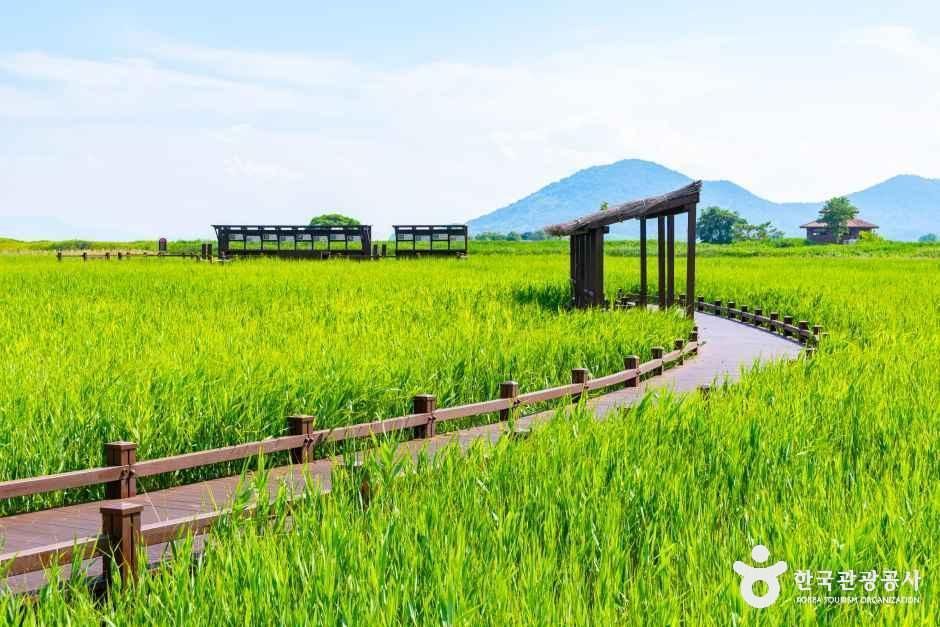
    A wide tidal bay where a 3 km waterway winds through mudflats and huge reed beds. The reeds are a wintering and breeding ground for many kinds of birds, and the mudflats are full of wildlife, so you often see flocks of birds rising over the reeds as you walk the paths.

    Open 08:00-17:00 (Nov-Feb), 08:00-18:00 (Mar-Apr, Sep-Oct), 08:00-19:00 (May-Aug); entry until 1 hour before closing. Closed on the last Monday of each month. Parking is available.

  • Namsangol Hanok Village (남산골한옥마을)
    Data: Korea Tourism Organization (한국관광공사)
    Seoul · Jung-gu

    Namsangol Hanok Village

    남산골한옥마을

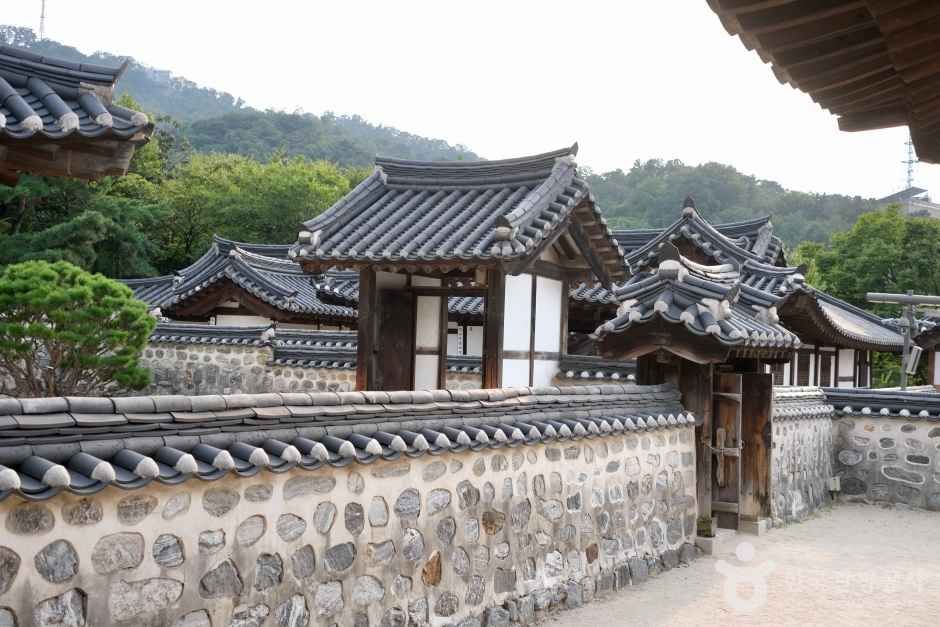
    A village of five restored hanok houses at the foot of Namsan Mountain, opened in 1998. The houses once belonged to Joseon-era aristocrats and officials, and there is also a traditional garden with a pavilion and a performance stage. A time capsule buried here in 1994 for Seoul's 600th anniversary is set to be opened in 2394.

    Open 09:00-21:00 (Apr-Oct) and 09:00-20:00 (Nov-Mar); the traditional garden is open 24 hours. Closed Mondays (the next day if Monday is a holiday).

  • Cheonjiyeon Falls (천지연폭포)
    Data: Korea Tourism Organization (한국관광공사)
    Jeju · Seogwipo

    Cheonjiyeon Falls

    천지연폭포

    A 22 m waterfall in Seogwipo whose name means "the pond where sky and land meet." The forest around it, with rare trees and plants, is a protected natural monument, and the deep, clear pool below is home to a rare giant eel that is protected too.

    Open 09:00-22:00 (last ticket 21:20). Parking is available.

  • Homigot Cape and Lighthouse (호미곶 등대)
    Data: Korea Tourism Organization (한국관광공사)
    Pohang, Gyeongsangbuk-do

    Homigot Cape and Lighthouse

    호미곶 등대

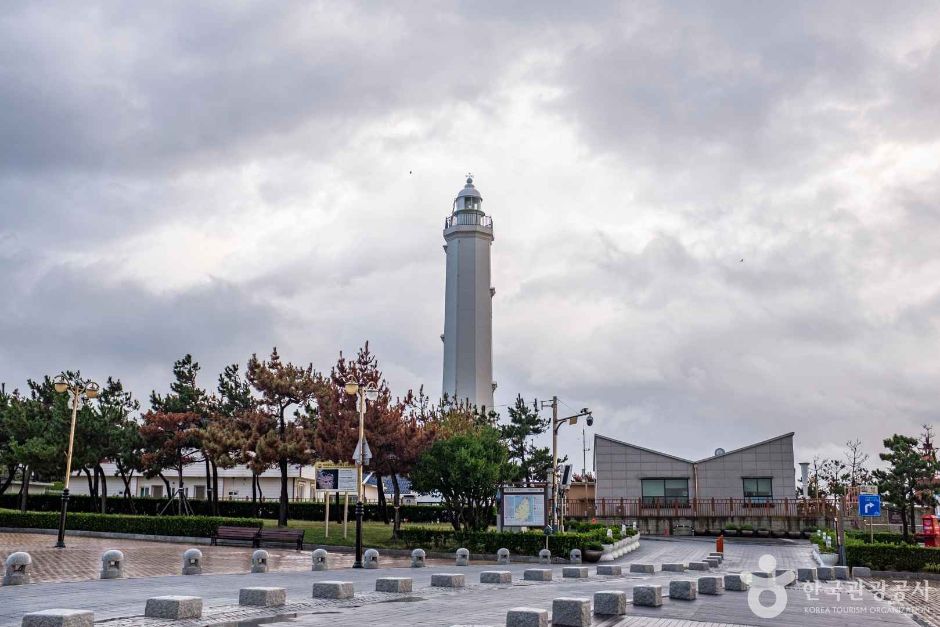
    Homigot Cape was counted among the ten most scenic places in Korea in the Joseon dynasty. Its lighthouse opened on December 20, 1908, and was then the tallest in Korea: an eight-sided, six-story red-brick tower 26.4 m high, built without steel reinforcement, with pear-blossom patterns carved on the ceiling of each floor.

    Open 24 hours, all year round. Free parking.

  • Dosanseowon Confucian Academy (도산서원)
    Data: Korea Tourism Organization (한국관광공사)
    Andong, Gyeongsangbuk-do

    Dosanseowon Confucian Academy

    도산서원

    A UNESCO World Heritage Confucian academy in Andong. It has two parts: Dosanseodang, where the great scholar Yi Hwang (Toegye) lived and taught, with a lecture hall he designed himself in 1561, the oldest building here; and Dosanseowon, finished by his followers in 1576, six years after his death, to honor him and carry on his teaching.

    Open 09:00-18:00 in summer and 09:00-17:00 in winter, all year round. Parking is available.

  • Mancheonha Skywalk (단양 만천하 스카이워크)
    Data: Korea Tourism Organization (한국관광공사)
    Danyang, Chungcheongbuk-do

    Mancheonha Skywalk

    단양 만천하 스카이워크

    A lookout built on a cliff about 80-90 m above the Namhangang River. Walk out on the glass-floored walkway to see the water far below, then take in the wide view of Danyang town and Sobaeksan Mountain from the top. A zipline and an alpine coaster are close by for more thrills.

    Open 09:00-18:00 in summer and 09:00-17:00 in winter; ticket sales end 1 hour before closing. Hours vary by ride.

  • Gwangalli Beach (광안리해수욕장)
    Data: Korea Tourism Organization (한국관광공사)
    Busan · Suyeong-gu

    Gwangalli Beach

    광안리해수욕장

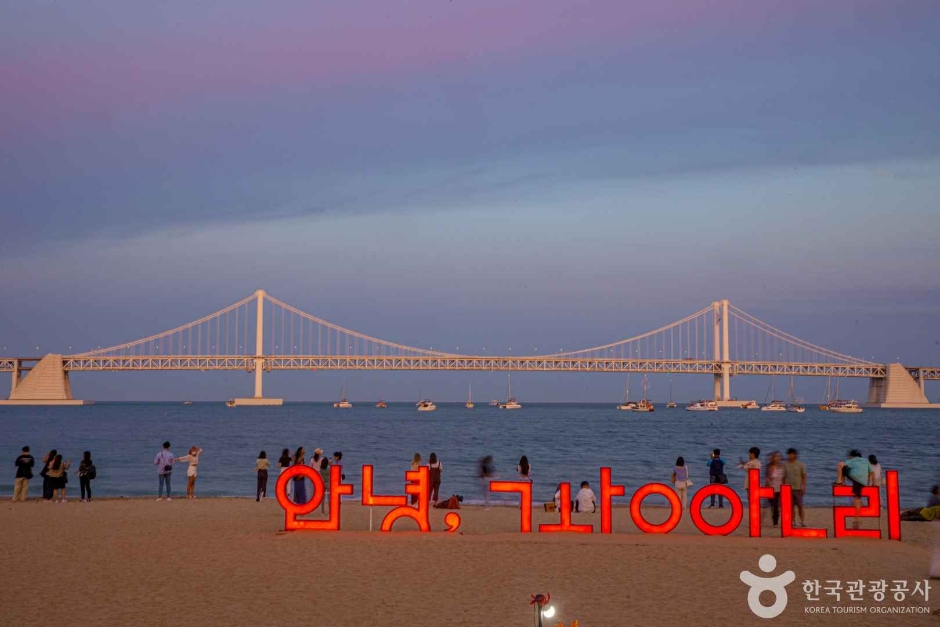
    A 1.4 km beach of fine sand just west of Haeundae. Restaurants, cafés and shops line the seafront, but most people come in the evening, when Gwangandaegyo Bridge lights up across the bay.

    Open 24 hours, all year round. Paid parking (300 won per 10 minutes).

  • Pocheon Art Valley (포천아트밸리)
    Data: Korea Tourism Organization (한국관광공사)
    Pocheon, Gyeonggi-do

    Pocheon Art Valley

    포천아트밸리

    A former granite quarry turned into an art park. Pocheon granite, prized for its hardness and beauty, was cut here for about 30 years from the 1960s and used in major national buildings. After the quarry was left empty in the 1990s, the city restored the land and opened an arts and culture park in 2004-2009, keeping parts of the old cliffs as they were. It is part of the Hantangang UNESCO Global Geopark.

    Open 09:00-18:00 Sunday-Friday and holidays (last entry 17:00), 09:00-22:00 Saturday (last entry 20:00). Closed on the first Tuesday of each month; the monorail stops on Monday mornings for maintenance. Parking is available.

  • Sogeumsan Grand Valley (소금산그랜드밸리)
    Data: Korea Tourism Organization (한국관광공사)
    Wonju, Gangwon-do

    Sogeumsan Grand Valley

    소금산그랜드밸리

    A riverside valley of cliffs and old trees with three thrilling walks: the 200 m Sogeumsan suspension bridge, the 404 m Wonju Ulleong Bridge and a 360 m Cliff Walk hanging 200 m above the ground between them. A mountain escalator (2024) and a cable car (2025) now make the climb easier.

    Open 09:00-18:00 (Apr-Oct, tickets 08:30-16:30) and 09:00-17:00 (Nov-Mar, tickets 08:30-15:30). Closed Mondays (the next working day if Monday is a holiday). Parking is available.

  • Hyangiram Hermitage (여수 향일암)
    Data: Korea Tourism Organization (한국관광공사)
    Yeosu, Jeollanam-do

    Hyangiram Hermitage

    여수 향일암

    A small Buddhist hermitage on the cliffs of Dolsan Island, looking out over the South Sea. It is said to have been founded by the monk Wonhyo; in the Joseon dynasty it was named Hyangiram ("facing the sun") for its sunrise view. About a million people visit each year, many to pray. The main hall and bell tower were rebuilt in 2021 after a fire in 2009.

    Open 05:00-19:00, all year round. Parking is available.

Data: Korea Tourism Organization (한국관광공사), via TourAPI. Photos are shown as provided, uncropped. Facts are checked against VisitKorea and official festival sites, and the descriptions are our own. Dates can change, so check the official site before you travel.