재미있는 한국어jaemiinneun hangugeo

Fun Korean

Hangul, life in Korea, travel, history and short lessons.

Top Places to Visit in Korea

Korea's must-see places, from Seoul palaces to Busan's hillside villages, with 5 useful Korean phrases for each, with audio and a quick quiz.

  • Gyeongbokgung Palace (경복궁)
    Data: Korea Tourism Organization (한국관광공사)
    Seoul · Jongno-gu

    Gyeongbokgung Palace

    경복궁

    The main royal palace of the Joseon dynasty, first built in 1395. Enter through Gwanghwamun Gate, catch the royal guard-changing ceremony, then walk to Gyeonghoeru, a pavilion on a lotus pond. Visitors in full hanbok get in free.

    Closed on Tuesdays (open if a Tuesday is a public holiday). Gyeongbokgung Station, Line 3.

  • Bukchon Hanok Village (북촌한옥마을)
    Data: Korea Tourism Organization (한국관광공사)
    Seoul · Jongno-gu

    Bukchon Hanok Village

    북촌한옥마을

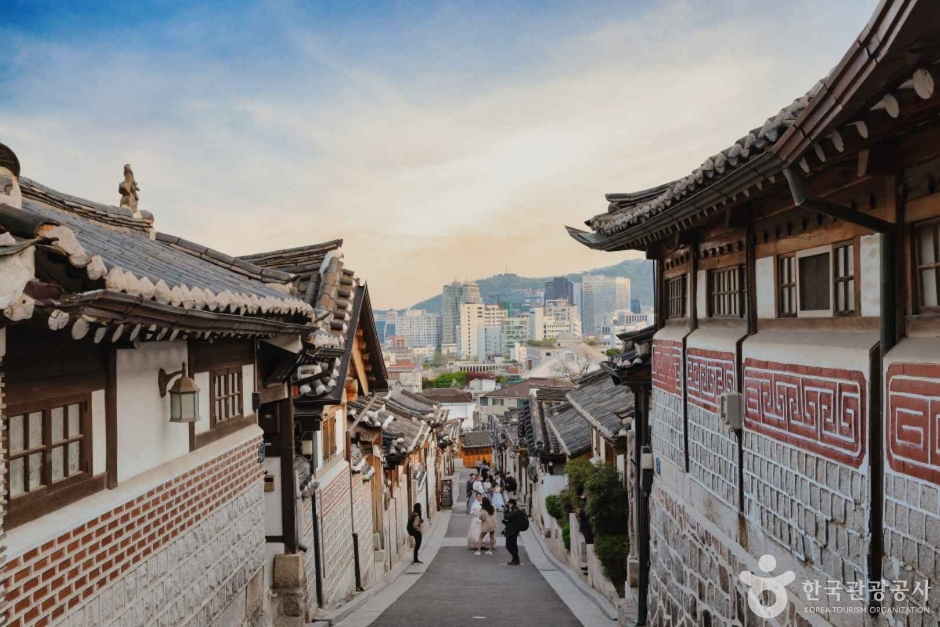
    A hillside neighborhood of hundreds of hanok, traditional Korean houses, between Gyeongbokgung and Changdeokgung palaces. Many are still family homes; others are tea houses, craft workshops and guesthouses. The upper lanes look out over tiled roofs toward the city.

    People live here: keep your voice down. Some lanes are open to visitors only from 10:00 to 17:00. Anguk Station, Line 3.

  • N Seoul Tower (N서울타워)
    Data: Korea Tourism Organization (한국관광공사)
    Seoul · Namsan

    N Seoul Tower

    N서울타워

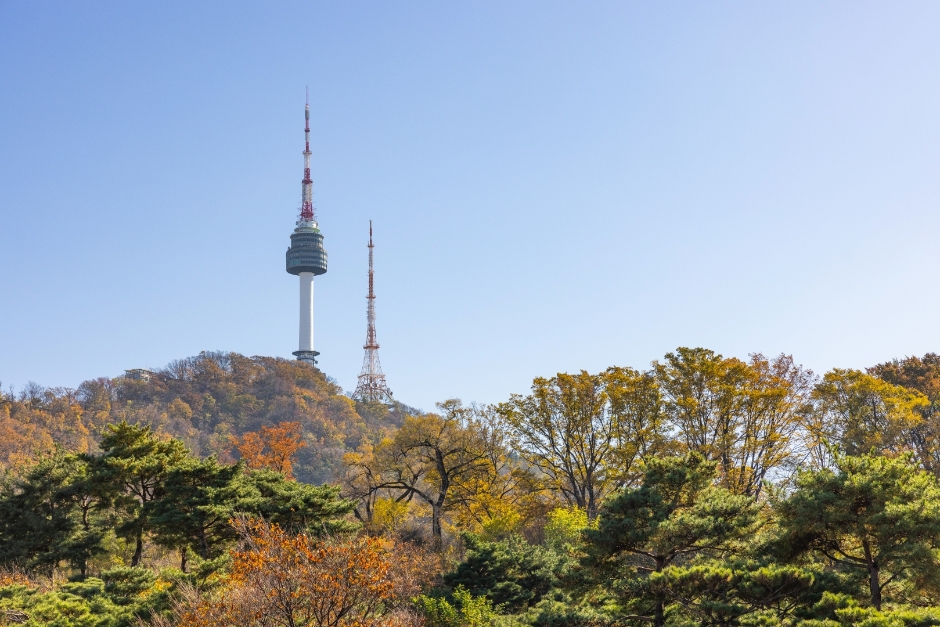
    Seoul's best-known landmark stands on Namsan, the mountain in the middle of the city. Ride the Namsan Cable Car, running since 1962, or walk up the trails, then see the whole city from the observatory. Couples hang "love locks" on the fences around the terrace.

    Go around sunset to see the city by day and by night.

  • Changdeokgung Palace and Huwon (창덕궁과 후원)
    Data: Korea Tourism Organization (한국관광공사)
    Seoul · Jongno-gu

    Changdeokgung Palace and Huwon

    창덕궁과 후원

    A UNESCO World Heritage palace first built in 1405, after Gyeongbokgung. Many Joseon kings lived here, and it is the best preserved of the five remaining Joseon palaces. Behind the halls lies the rear garden (Huwon), a royal place of rest with a pond, a pavilion and a tree more than 300 years old.

    Closed on Mondays (if a Monday is a public holiday, it closes the next working day). Last admission 1 hour before closing.

  • Lotte World Tower SEOUL SKY (롯데월드타워 서울스카이)
    Data: Korea Tourism Organization (한국관광공사)
    Seoul · Songpa-gu

    Lotte World Tower SEOUL SKY

    롯데월드타워 서울스카이

    The observatory at the top of Lotte World Tower, about 500 m above the ground and the highest attraction in Korea. The Sky Shuttle takes you from B1 to the 118th floor in about a minute, and from there you get a 360-degree view of Seoul. There's also a café and a souvenir shop.

    Open every day: 10:30-22:00 Sunday-Thursday, 10:30-23:00 Friday-Saturday (last admission 1 hour before closing).

  • Deoksugung Palace (덕수궁)
    Data: Korea Tourism Organization (한국관광공사)
    Seoul · Jung-gu

    Deoksugung Palace

    덕수궁

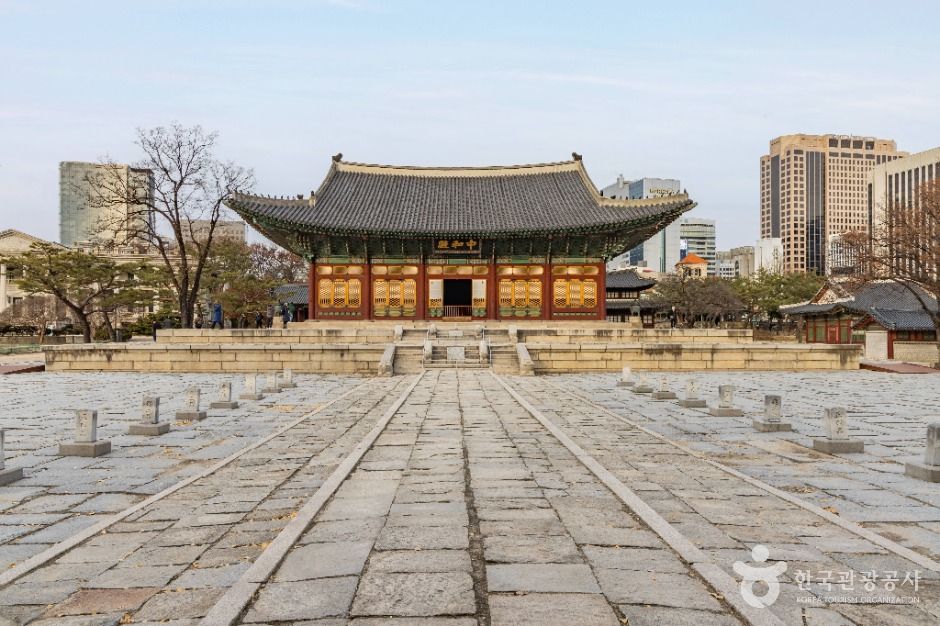
    First the home of a Joseon prince, it became the royal family's temporary palace in 1593, after their palaces burned in the Imjin War, and was named Gyeongungung in 1611. It took its present name, "palace of virtuous longevity", in 1907. Only a few buildings remain today, right in the middle of the city, and the Seokjojeon, Dondeokjeon and Jungmyeongjeon halls hold exhibitions.

    Open 09:00-21:00 (last admission 20:00). Closed on Mondays (if a Monday is a public holiday, it closes the next working day).

  • Insadong Cultural Street (인사동 문화의 거리)
    Data: Korea Tourism Organization (한국관광공사)
    Seoul · Jongno-gu

    Insadong Cultural Street

    인사동 문화의 거리

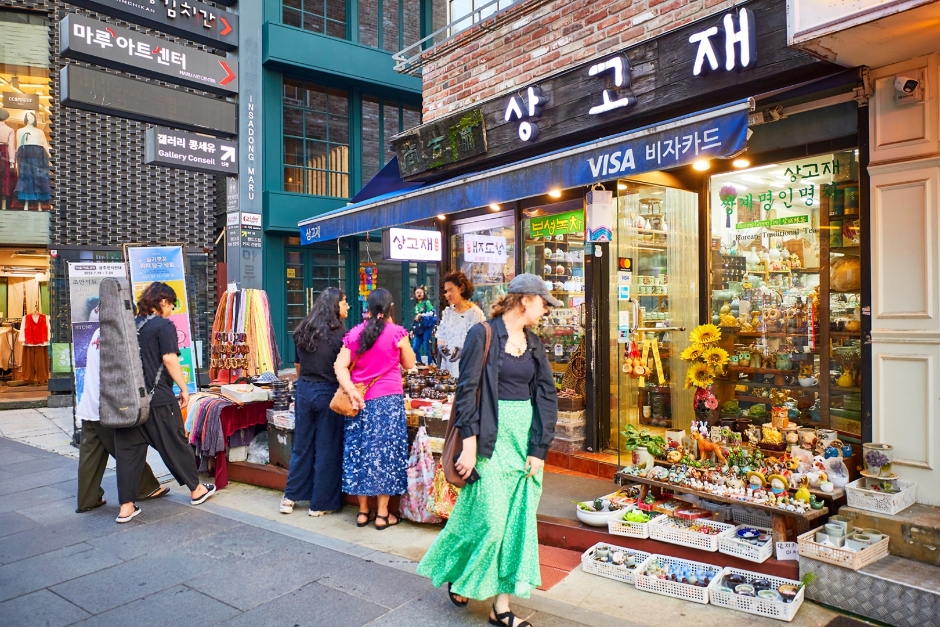
    A street of art galleries, traditional teahouses, Korean restaurants and street stalls, loved by visitors from all over the world. Many shop signs are written in Hangeul, the Korean alphabet, which is what makes the street special. The streets and shops are wide and easy to walk, and buskers often play by the road in the evenings and on weekends.

    The street is open 24 hours, all year round.

  • Changgyeonggung Palace (창경궁)
    Data: Korea Tourism Organization (한국관광공사)
    Seoul · Jongno-gu

    Changgyeonggung Palace

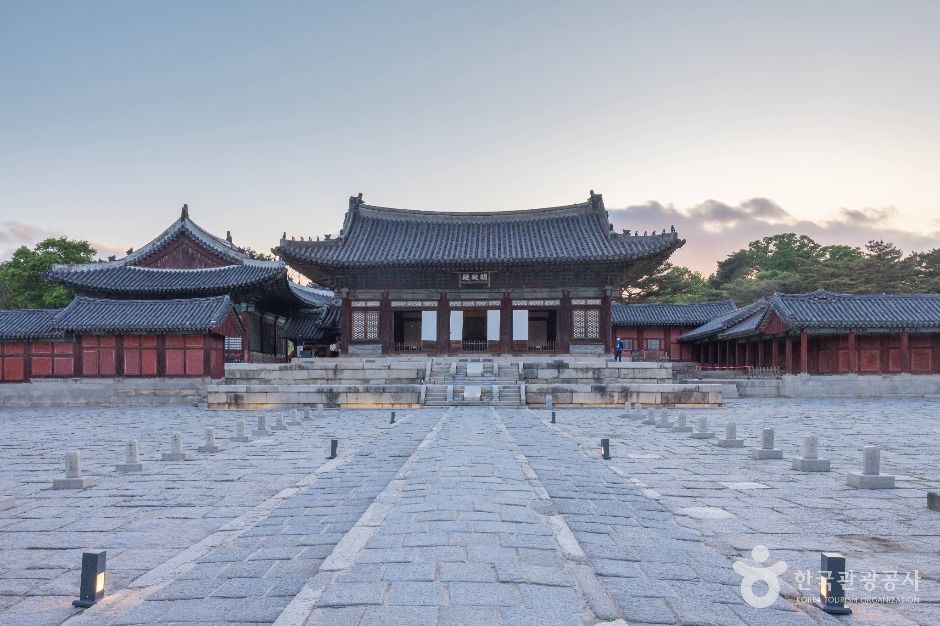
    창경궁

    A Joseon palace in central Seoul, first built by King Sejong as Suganggung Palace for his father, King Taejong, after he stepped down. It was often home to queens and royal consorts and was renamed Changgyeonggung under King Seongjong. During Japanese colonial rule it was turned into a park with a zoo and a botanical garden; its restoration was completed in 1983.

    Open 09:00-21:00 (last entry 20:00). Closed Mondays (the next working day if Monday is a holiday). No parking.

  • Cheonggyecheon Stream (청계천)
    Data: Korea Tourism Organization (한국관광공사)
    Seoul · Jongno-gu

    Cheonggyecheon Stream

    청계천

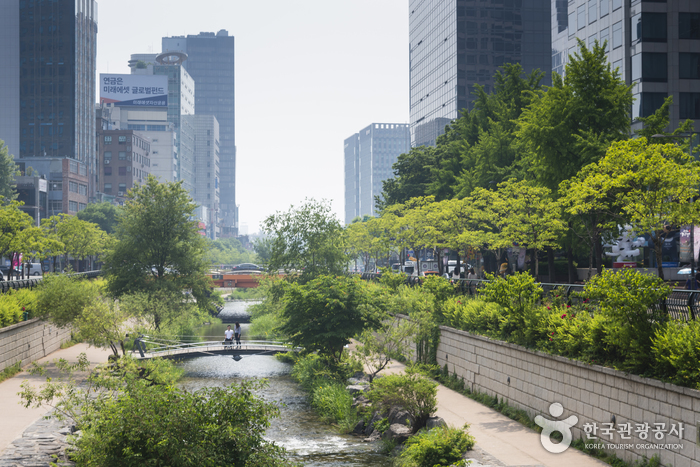
    A restored stream that runs through downtown Seoul, with walking paths along the water below street level. It begins at Cheonggye Plaza, which has fountains, a waterfall and a small model of the whole stream, and signs there introduce the 22 bridges that cross it.

    Open all year round. Start your walk at Cheonggye Plaza.

  • Seoul Forest (서울숲)
    Data: Korea Tourism Organization (한국관광공사)
    Seoul · Seongdong-gu

    Seoul Forest

    서울숲

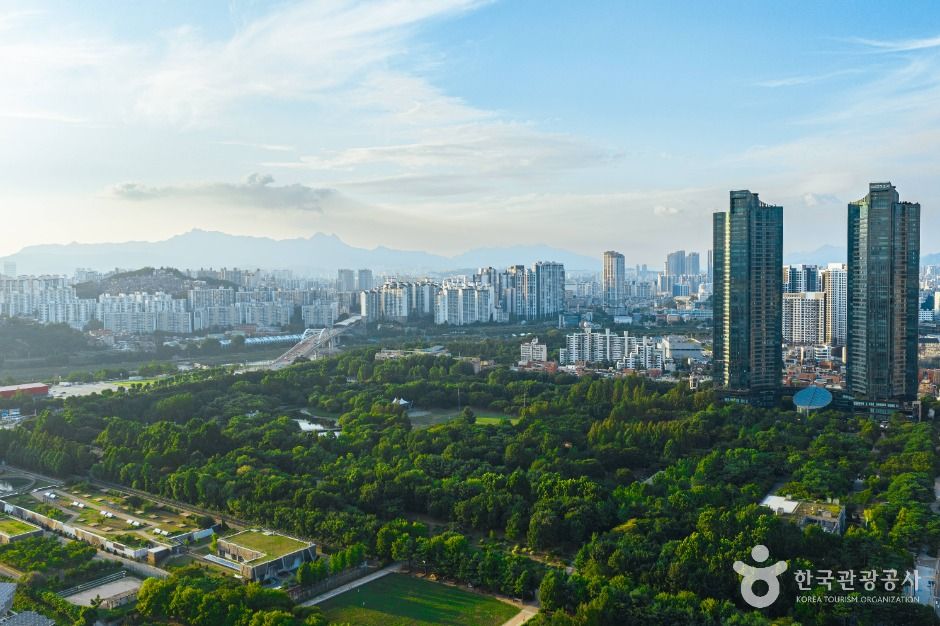
    A large city park opened in June 2005 on the site of a former water treatment plant. It is made up of four themed parks and is a green, eco-friendly space loved by both Seoul residents and visitors.

    Open 24 hours; hours and closed days vary by facility, so check the website before you go. Parking is available.

  • Bukhansan National Park (북한산국립공원)
    Data: Korea Tourism Organization (한국관광공사)
    Seoul · Seongbuk-gu

    Bukhansan National Park

    북한산국립공원

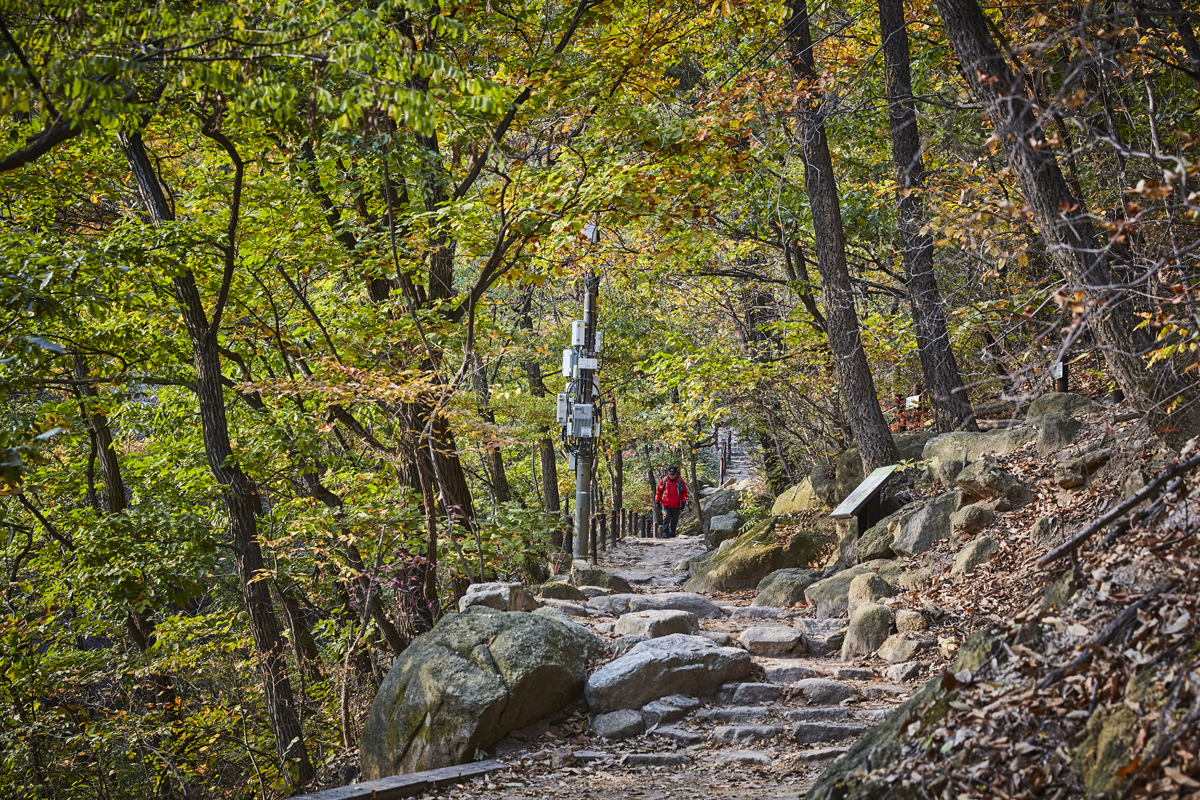
    A national park on Seoul's northern edge, designated in 1983, that covers both Bukhansan and Dobongsan mountains (about 80 km²). Its three highest peaks, Baegundae (835.6 m), Insubong and Mangyeongdae, gave it the old name Samgaksan, "three-horned mountain". The name Bukhansan dates from when Bukhansanseong Fortress was built under King Sukjong of Joseon.

    Trails may close suddenly in bad weather. Parking is available at the Bukhansanseong and Jeongneung lots.

  • Jongmyo Shrine (종묘)
    Data: Korea Tourism Organization (한국관광공사)
    Seoul · Jongno-gu

    Jongmyo Shrine

    종묘

    The royal shrine of the Joseon dynasty, where kings and queens were honored. King Taejo, the first Joseon king, had it built at the same time as Gyeongbokgung Palace. The royal memorial rite Jongmyo Jaerye is still held here, and the shrine is a UNESCO World Heritage site.

    Closed Tuesdays (the next working day if Tuesday is a holiday). Open 09:00-17:30 (Nov-Jan), 09:00-18:00 (Feb-May, Sep-Oct) and 09:00-18:30 (Jun-Aug); last entry 1 hour before closing. Parking is available.

  • National Museum of Korea (국립중앙박물관)
    Data: Korea Tourism Organization (한국관광공사)
    Seoul · Yongsan-gu

    National Museum of Korea

    국립중앙박물관

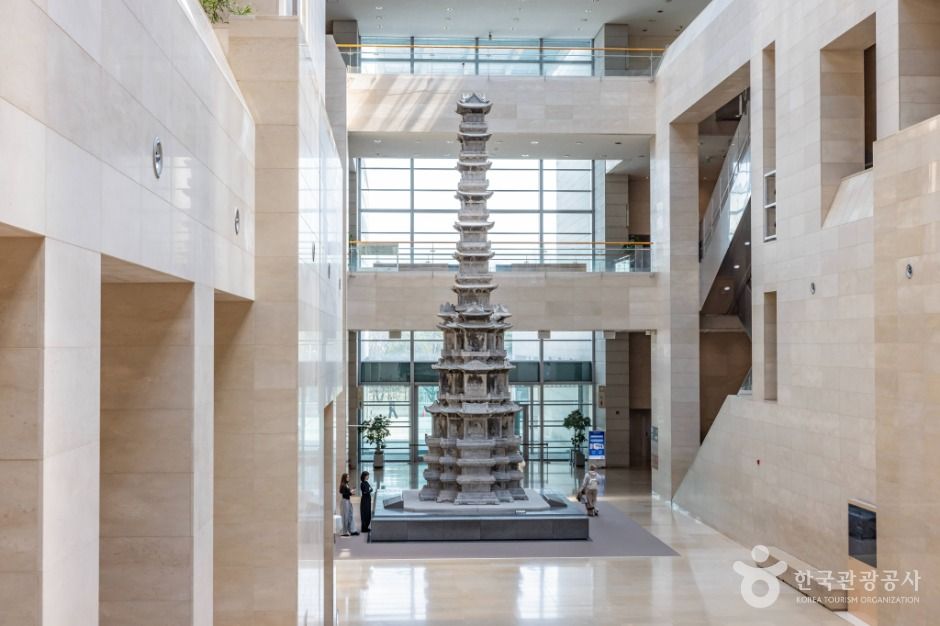
    Korea's national museum, with a vast collection of artifacts from ancient times to the modern era. A tall stone pagoda stands inside the main hall, more pagodas and stone works too large for the galleries fill the outdoor grounds, and a Children's Museum teaches history through hands-on programs.

    The permanent exhibition is free (special exhibitions may charge). Open 09:30-17:30, until 21:00 on Wednesdays and Saturdays (last entry 30 minutes before closing). Closed Jan 1, Seollal and Chuseok. Paid parking.

  • Namsangol Hanok Village (남산골한옥마을)
    Data: Korea Tourism Organization (한국관광공사)
    Seoul · Jung-gu

    Namsangol Hanok Village

    남산골한옥마을

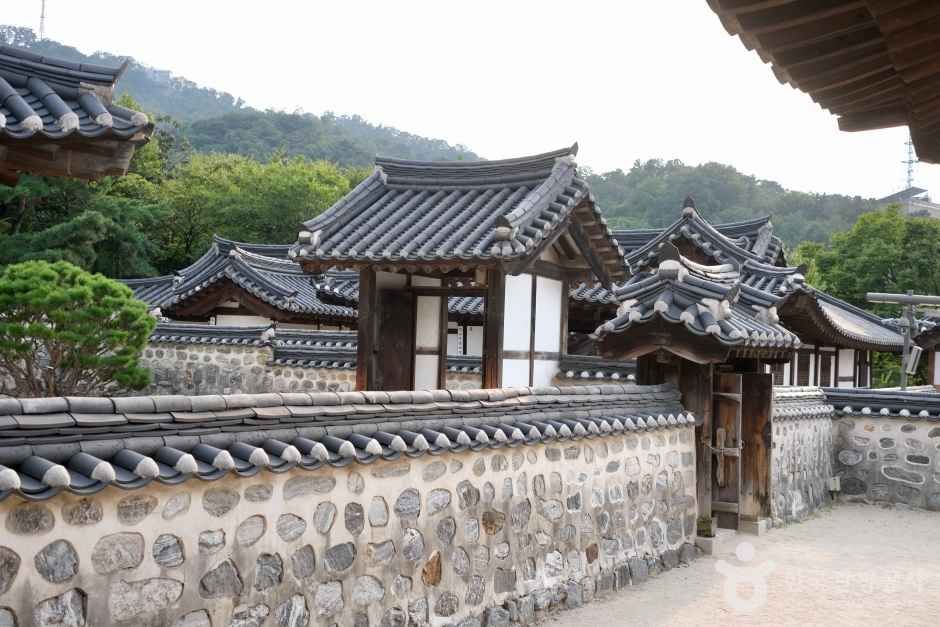
    A village of five restored hanok houses at the foot of Namsan Mountain, opened in 1998. The houses once belonged to Joseon-era aristocrats and officials, and there is also a traditional garden with a pavilion and a performance stage. A time capsule buried here in 1994 for Seoul's 600th anniversary is set to be opened in 2394.

    Open 09:00-21:00 (Apr-Oct) and 09:00-20:00 (Nov-Mar); the traditional garden is open 24 hours. Closed Mondays (the next day if Monday is a holiday).

Data: Korea Tourism Organization (한국관광공사), via TourAPI. Photos are shown as provided, uncropped. Facts are checked against VisitKorea and official festival sites, and the descriptions are our own. Dates can change, so check the official site before you travel.