재미있는 한국어jaemiinneun hangugeo

Fun Korean

Hangul, life in Korea, travel, history and short lessons.

Korean Food Tour: Famous Markets and Food Streets

Famous Korean food markets and streets and what to eat there, with 5 Korean phrases for ordering, with audio and a quick quiz.

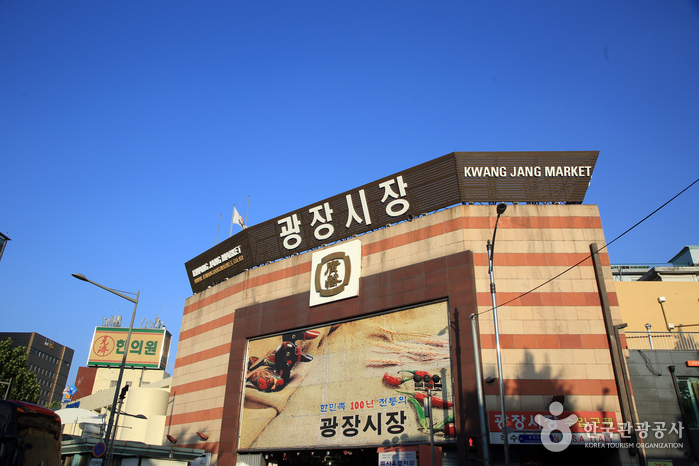
  • Gwangjang Market (광장시장)
    Data: Korea Tourism Organization (한국관광공사)
    Seoul · Jongno-gu

    Gwangjang Market

    광장시장

    One of Korea's oldest markets, founded in 1905. In the food alley at its center, stalls fry bindaetteok (crispy mung bean pancakes) to order. Also try mayak gimbap (small gimbap rolls) and yukhoe (seasoned raw beef). Sit at a counter, point and order.

    Busiest in the evening and on weekends. Jongno 5-ga Station (Line 1).

  • Mangwon Market (망원시장)
    Data: Korea Tourism Organization (한국관광공사)
    Seoul · Mapo-gu

    Mangwon Market

    망원시장

    A busy neighborhood market near the Han River, loved for cheap, tasty snacks: crispy dakgangjeong (sweet fried chicken), croquettes, fried peppers and fresh fruit. Fill a bag and walk to Mangwon Hangang Park for a riverside picnic.

    Mangwon Station, Line 6.

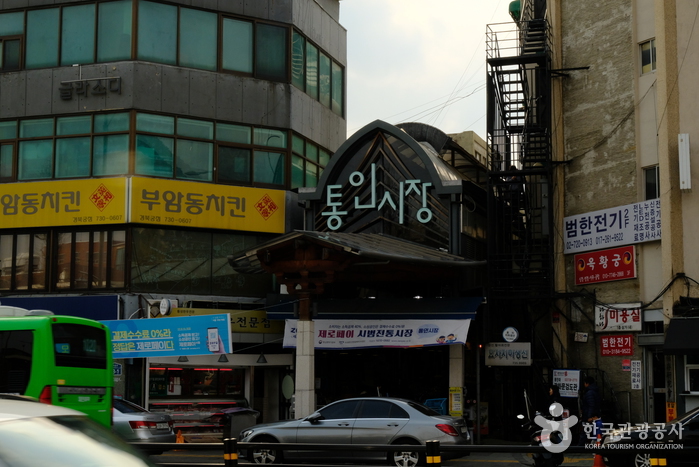
  • Tongin Market (Coin Lunchbox) (통인시장)
    Data: Korea Tourism Organization (한국관광공사)
    Seoul · Jongno-gu

    Tongin Market (Coin Lunchbox)

    통인시장

    A small market near Gyeongbokgung, open since 1941 and famous for its Dosirak Café. Swap cash for old-style brass coins (yeopjeon), pick up a lunchbox tray and fill it with dishes from the stalls. Don't miss gireum tteokbokki: rice cakes stir-fried in oil and chili.

    Gyeongbokgung Station, Line 3. Pair it with the palace or Seochon's cafés.

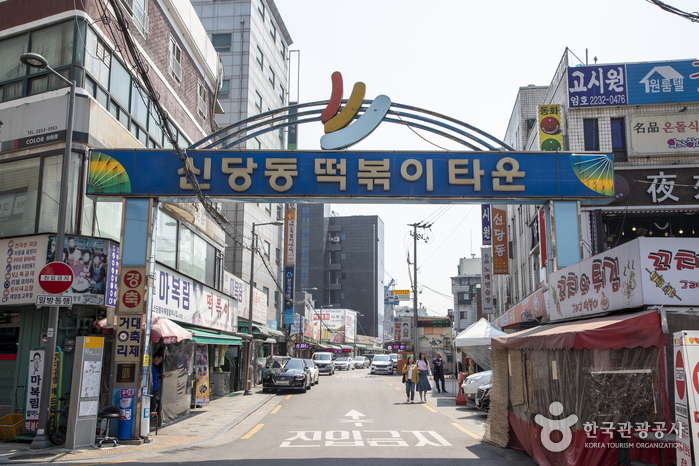
  • Sindang-dong Tteokbokki Town (신당동 떡볶이골목)
    Data: Korea Tourism Organization (한국관광공사)
    Seoul · Jung-gu

    Sindang-dong Tteokbokki Town

    신당동 떡볶이골목

    An alley of tteokbokki restaurants that took off in the late 1970s and became famous in the 1980s, when shops had their own DJ booths. Some owners say tteokbokki was sold here as early as 1953.

    Parking is available at each restaurant.

  • Seoul Gyeongdong Market (서울 경동시장)
    Data: Korea Tourism Organization (한국관광공사)
    Seoul · Dongdaemun-gu

    Seoul Gyeongdong Market

    서울 경동시장

    A large traditional market near Cheongnyangni Station that grew after the Korean War and officially opened in June 1960. It is known for food ingredients and medicinal herbs. The old Gyeongdong Theater inside was renovated into a cultural space that draws a younger crowd.

    Busy on weekdays as well as weekends. Hours and closed days vary by store; no parking.

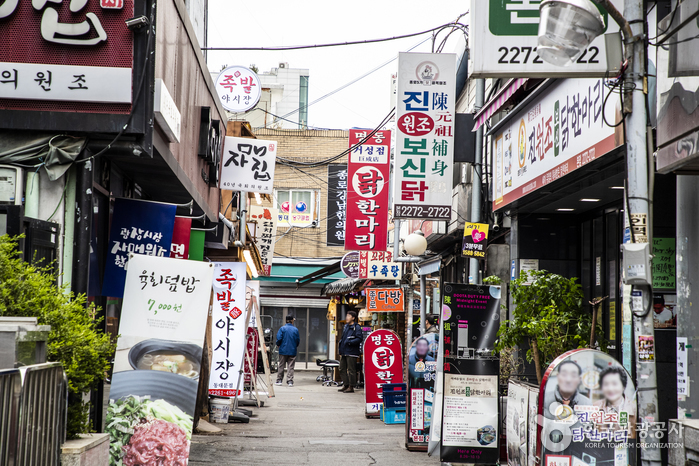
  • Dongdaemun Dak Hanmari Alley (서울 동대문 닭한마리 골목)
    Data: Korea Tourism Organization (한국관광공사)
    Seoul · Jongno-gu

    Dongdaemun Dak Hanmari Alley

    서울 동대문 닭한마리 골목

    An alley near Dongdaemun Market lined with restaurants serving dak hanmari, literally "one whole chicken": a whole chicken boiled in broth and eaten with the alley's special sauce. When the meat is gone, kalguksu noodles go into the same broth. The big clothing and fabric markets around it keep the area busy.

    Open 10:30-01:00 (next day), all year round. Parking is available.

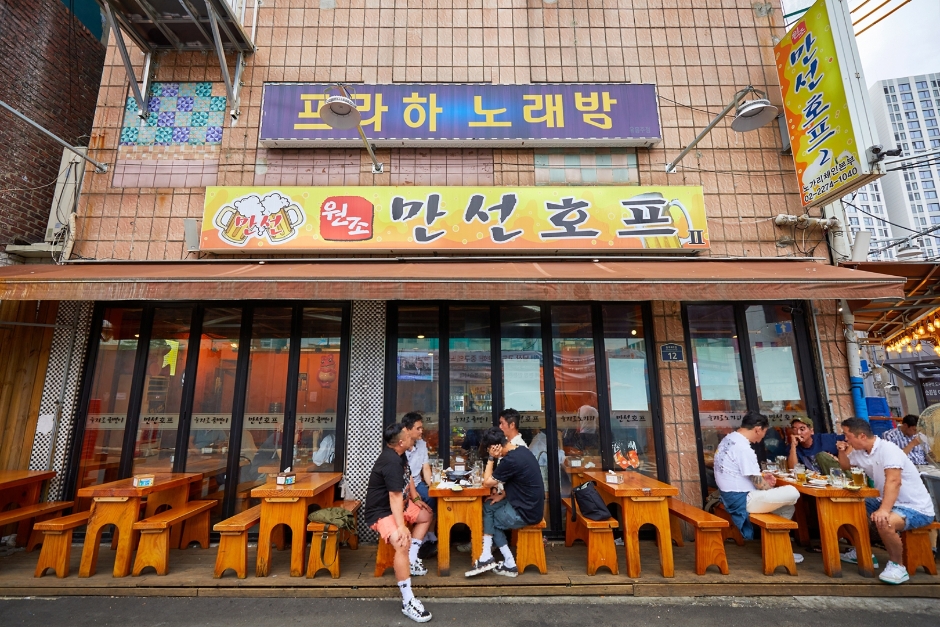
  • Euljiro Nogari Alley (을지로 노가리골목)
    Data: Korea Tourism Organization (한국관광공사)
    Seoul · Jung-gu

    Euljiro Nogari Alley

    을지로 노가리골목

    An alley of small pubs near Euljiro 3-ga Station, among old tool shops and offices. The classic order is nogari, dried young pollack grilled and dipped in red pepper paste, with a glass of beer, or spicy sea snail salad with thin noodles. On weekday evenings and weekends tables fill the alley and seats are hard to find.

    Euljiro 3-ga Station (Line 3), Exit 3. Hours vary by pub. No parking.

Data: Korea Tourism Organization (한국관광공사), via TourAPI. Photos are shown as provided, uncropped. Facts are checked against VisitKorea and official festival sites, and the descriptions are our own. Dates can change, so check the official site before you travel.