재미있는 한국어jaemiinneun hangugeo

Fun Korean

Hangul, life in Korea, travel, history and short lessons.

Korean Food Tour: Famous Markets and Food Streets

Famous Korean food markets and streets and what to eat there, with 5 Korean phrases for ordering, with audio and a quick quiz.

  • Jukdo Market (죽도시장)
    Data: Korea Tourism Organization (한국관광공사)
    Pohang, Gyeongsangbuk-do

    Jukdo Market

    죽도시장

    The largest traditional market on Korea's east coast, with about 1,500 stores, officially set up in 1969. Inside the seafood auction area, more than 200 hoe (raw fish) restaurants will prepare the seafood you buy for a small fee. Try Pohang's mulhoe (cold raw fish soup), abalone porridge, or gwamegi in winter.

    Open all year, 08:00-22:00.

  • Andong Market Jjimdak Alley (안동시장 찜닭골목)
    Data: Korea Tourism Organization (한국관광공사)
    Andong, Gyeongsangbuk-do

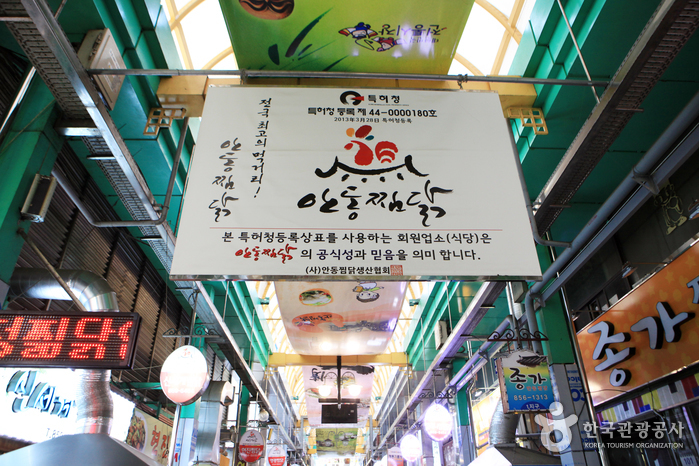
    Andong Market Jjimdak Alley

    안동시장 찜닭골목

    A chicken alley in Andong's old market where Andong jjimdak was born: chicken braised in a galbi-style sauce, then cooked down with glass noodles and vegetables. Sweet, spicy, cheap and generous, it became a hit around the country. Some 30 restaurants line the alley today.

    Weekends are busy: the alley draws more than 20,000 visitors on a weekend.

  • Gyeongju Jungang Market (경주 중앙시장)
    Data: Korea Tourism Organization (한국관광공사)
    Gyeongju, Gyeongsangbuk-do

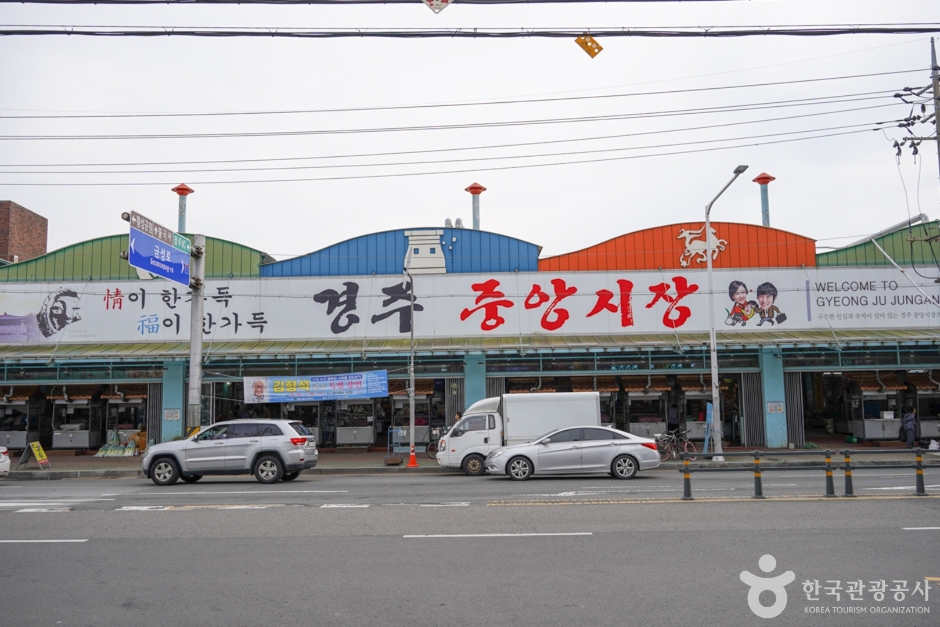
    Gyeongju Jungang Market

    경주 중앙시장

    Gyeongju's main market since 1983, with nearly 700 stores selling rice cakes, vegetables, meat, oils and more. It is busiest on days ending in 2 or 7, the traditional five-day market days. The night market, open Thursday to Sunday, is popular with visitors and locals alike.

    Open 05:00-22:30 (varies by store). Closed on the 1st and 15th of each month.

  • Guryongpo Five-Day Market (구룡포 오일장)
    Data: Korea Tourism Organization (한국관광공사)
    Pohang, Gyeongsangbuk-do

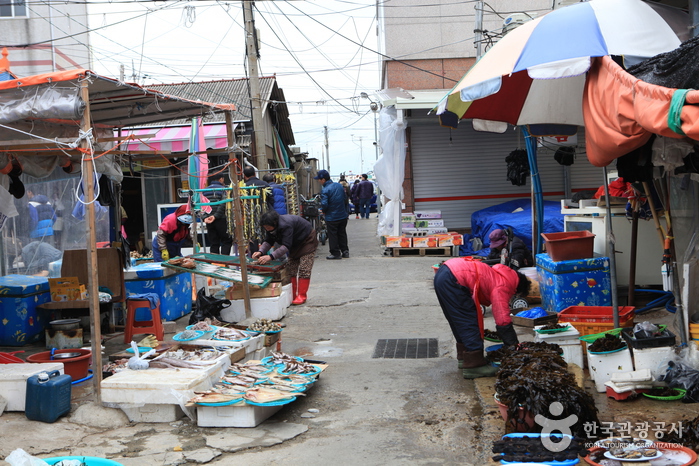
    Guryongpo Five-Day Market

    구룡포 오일장

    A five-day market by Guryongpo Port in Pohang. On market days the stalls spread all the way to Changjucheon Stream. It began when a village formed around the port and boomed in the 1950s and '60s; today rows of seafood restaurants draw seafood lovers, and stalls sell squid, Pacific saury, abalone and flatfish.

    Market days are the 3rd, 8th, 13th, 18th, 23rd and 28th of each month. Shop hours vary.

  • Gyeongju Ssambap Street (경주 쌈밥거리)
    Data: Korea Tourism Organization (한국관광공사)
    Gyeongju, Gyeongsangbuk-do

    Gyeongju Ssambap Street

    경주 쌈밥거리

    A street of restaurants beside the Daereungwon tomb park serving ssambap: fresh leafy vegetables for wrapping rice, with side dishes such as fish and meat and a stew made with homemade soybean paste. Snack shops sell Hwangnam bread, filled with red bean paste, and jjondeugi, a chewy sweet made from cornmeal. Cheomseongdae Observatory and Donggung Palace and Wolji Pond are a short walk away.

    Next to Daereungwon. Hours vary by restaurant. Parking is available.

Data: Korea Tourism Organization (한국관광공사), via TourAPI. Photos are shown as provided, uncropped. Facts are checked against VisitKorea and official festival sites, and the descriptions are our own. Dates can change, so check the official site before you travel.