재미있는 한국어jaemiinneun hangugeo

Fun Korean

Hangul, life in Korea, travel, history and short lessons.

Top Places to Visit in Korea

Korea's must-see places, from Seoul palaces to Busan's hillside villages, with 5 useful Korean phrases for each, with audio and a quick quiz.

  • Gamcheon Culture Village (감천문화마을)
    Data: Korea Tourism Organization (한국관광공사)
    Busan · Saha-gu

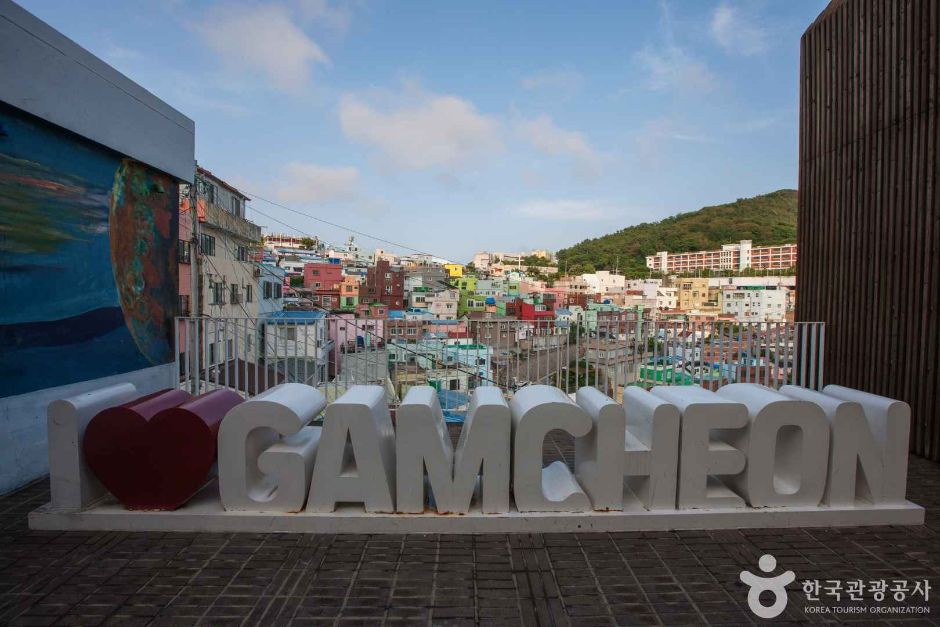
    Gamcheon Culture Village

    감천문화마을

    A hillside neighborhood of pastel houses and narrow alleys above Busan's harbor. It grew from homes built by Korean War refugees, and an art project that began in 2009 filled it with murals and sculptures. Pick up a map at the entrance and look for the art in the lanes.

    People live here: keep your voice down and don't go into homes or private yards.

  • Haeundae Beach (해운대해수욕장)
    Data: Korea Tourism Organization (한국관광공사)
    Busan · Haeundae-gu

    Haeundae Beach

    해운대해수욕장

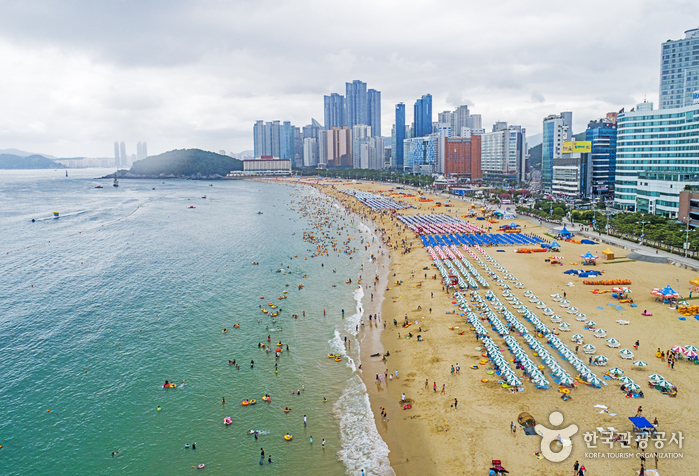
    Busan's most famous beach: about 1.5 km of white sand on a shallow bay, lined with hotels, cafés and seafood restaurants. In autumn it's calmer, which makes it a good time to walk the coastal path around Dongbaekseom Island at the west end.

    Haeundae Station, Line 2.

  • Haedong Yonggungsa Temple (해동 용궁사)
    Data: Korea Tourism Organization (한국관광공사)
    Busan · Gijang-gun

    Haedong Yonggungsa Temple

    해동 용궁사

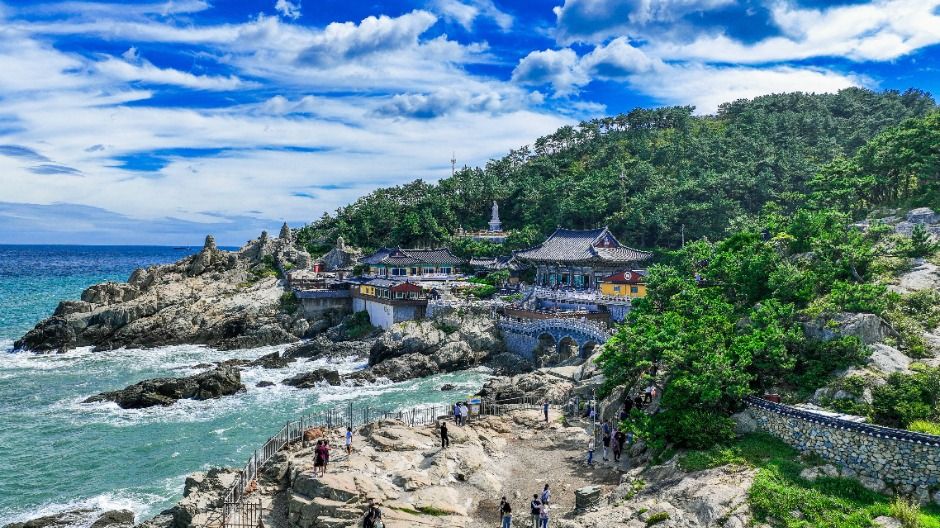
    A Buddhist temple on the rocky shore of northeastern Busan, a rare sight since most Korean temples stand in the mountains. It was first built in 1376 by the monk Naong, destroyed during the Imjin War and rebuilt in the 1930s. Waves break right below the halls.

    Open every day 04:30-19:20 (last admission 18:50). It's a temple: keep your voice down near people praying.

  • Taejongdae (부산 태종대)
    Data: Korea Tourism Organization (한국관광공사)
    Busan · Yeongdo-gu

    Taejongdae

    부산 태종대

    A rocky coast formed when layers of rock were pressed together under a lake in the Cretaceous period, then worn away by the sea over time. Look for sea caves and strangely shaped rocks along the shore. Walk the forest paths, or ride the Danubi Train to Taejongdae Observatory and the Yeongdo Coastal Culture Space.

    The park opens 04:00-24:00 (March-October) and 05:00-24:00 (November-February); facilities close at 20:00. The Danubi Train does not run on Mondays.

  • Huinnyeoul Culture Village (흰여울문화마을)
    Data: Korea Tourism Organization (한국관광공사)
    Busan · Yeongdo-gu

    Huinnyeoul Culture Village

    흰여울문화마을

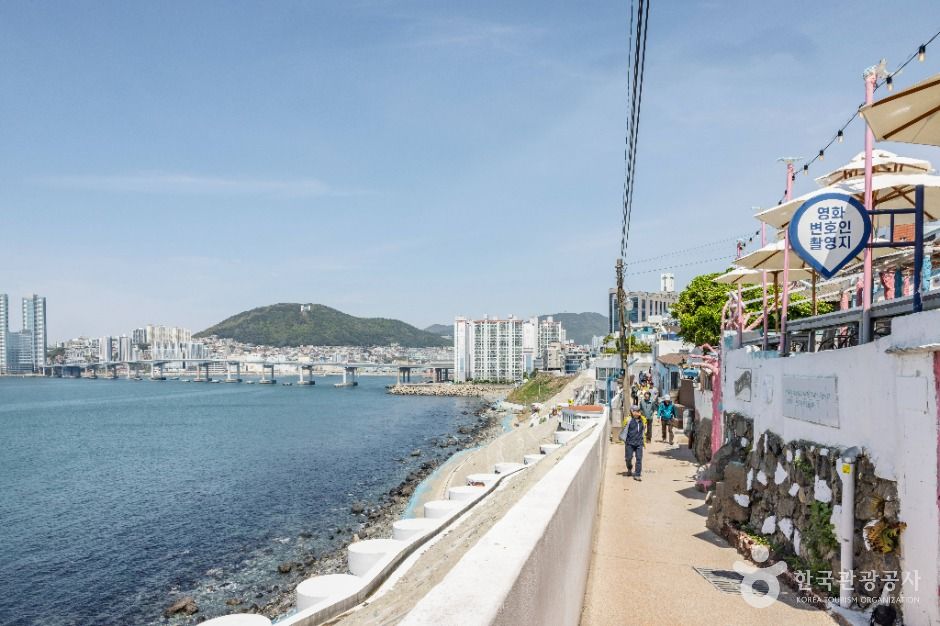
    A seaside village on Yeongdo Island in Busan, named after a stream at the foot of Bongnaesan Mountain whose rushing water looked like falling snow. In 2011 its old houses were remodeled into a culture and art village, and today narrow lanes and a coastal path look out over the sea.

    Open 24 hours, all year round. Free parking. People live here, so please keep your voice down.

  • Gwangalli Beach (광안리해수욕장)
    Data: Korea Tourism Organization (한국관광공사)
    Busan · Suyeong-gu

    Gwangalli Beach

    광안리해수욕장

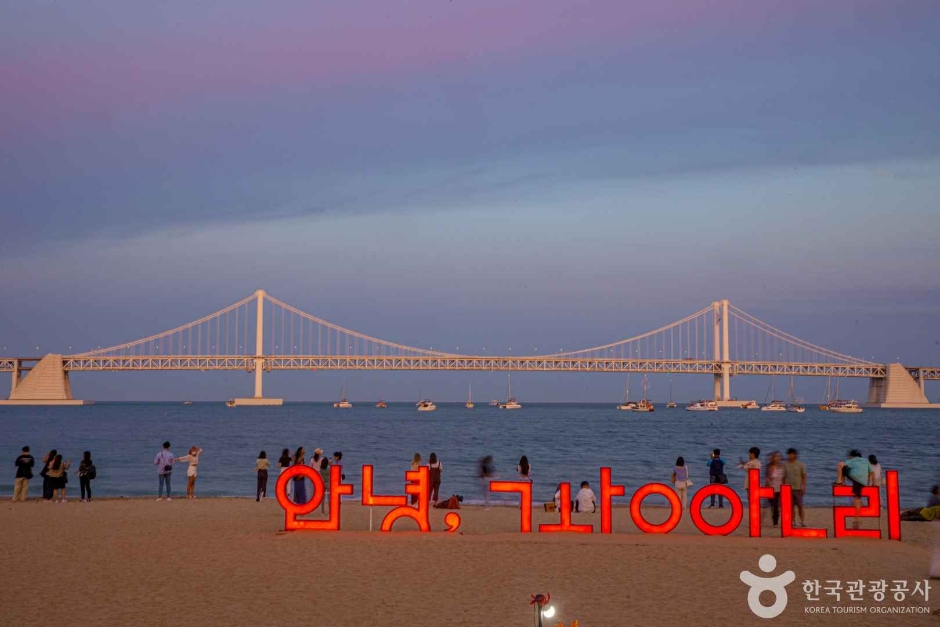
    A 1.4 km beach of fine sand just west of Haeundae. Restaurants, cafés and shops line the seafront, but most people come in the evening, when Gwangandaegyo Bridge lights up across the bay.

    Open 24 hours, all year round. Paid parking (300 won per 10 minutes).

Data: Korea Tourism Organization (한국관광공사), via TourAPI. Photos are shown as provided, uncropped. Facts are checked against VisitKorea and official festival sites, and the descriptions are our own. Dates can change, so check the official site before you travel.